You’ve probably tried every under-eye treatment out there. Creams, serums, jade rollers, maybe even those gel patches you stick in the fridge. And yet, your dark circles persist. Your puffiness comes and goes. One side of your face seems to age faster than the other.
What if your eye treatment could actually see what your skin needs and adjust automatically? That’s exactly what the LG AI eye patch unveiled at CES 2026 does. This isn’t just another LED device with preset modes. It’s the first eye treatment that uses artificial intelligence to analyze your under-eye area, break it into micro-zones, and deliver personalized light therapy to each specific section.
The LG AI eye patch won a CES 2026 Innovation Award for good reason. It represents a fundamental shift from one-size-fits-all LED therapy to truly customized treatment. In this article, you’ll discover how LG’s AI technology works, what makes it different from regular LED eye masks, the specific wavelengths it uses, when you can buy it, and whether this smart eye patch is worth waiting for.
Why CES 2026’s AI Eye Patch Matters
The beauty device industry has been moving toward personalization for years, but most “smart” devices aren’t actually that intelligent. They might have an app or a few preset modes, but they’re still delivering the same treatment to everyone.
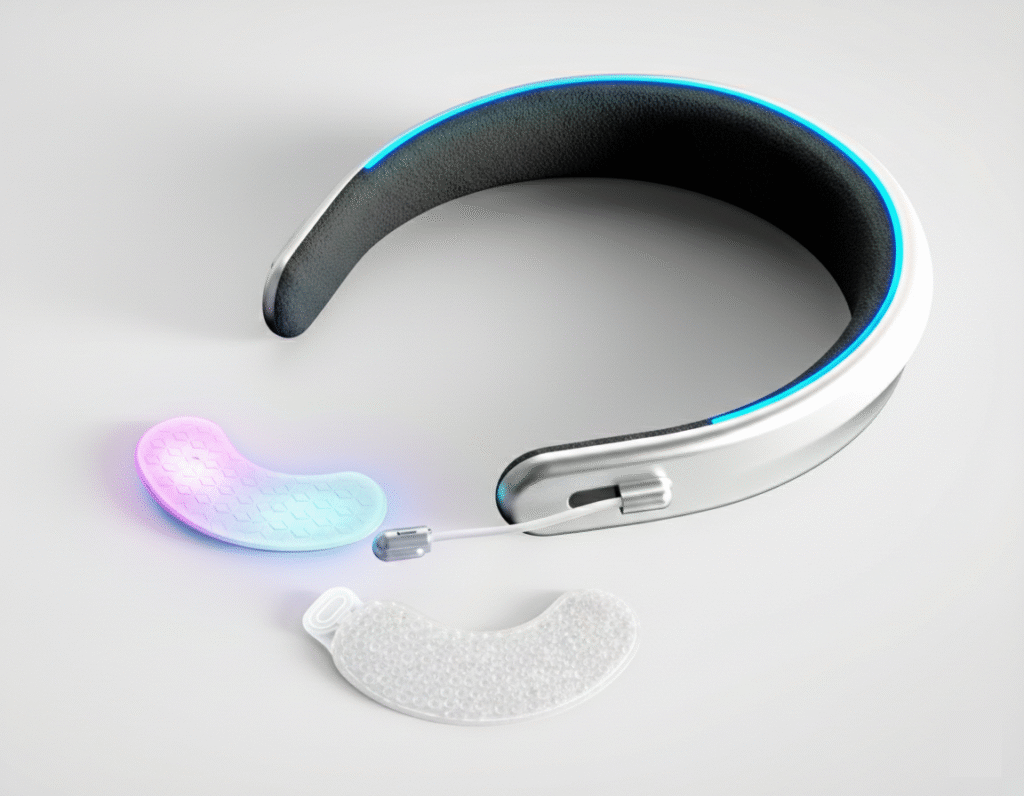
LG changed that equation at CES 2026. The LG AI eye patch, officially called the Hyper Rejuvenating Eye Patch, uses facial recognition and AI analysis to create custom treatment protocols for each person, and even for different areas of the same person’s under-eye region.
According to market research, consumers are increasingly willing to pay premium prices for personalized skincare. A recent study found that 64% of U.S. consumers prefer multi-purpose or customized skincare products, and 46% will pay more for products that make their routine easier or more effective.
The LG AI eye patch taps into both trends. It’s personalized, and it simplifies your under-eye care by doing the analysis work for you. No more guessing which setting to use or how long to treat each area.
How the LG AI Eye Patch Actually Works
AI-Powered Facial Analysis
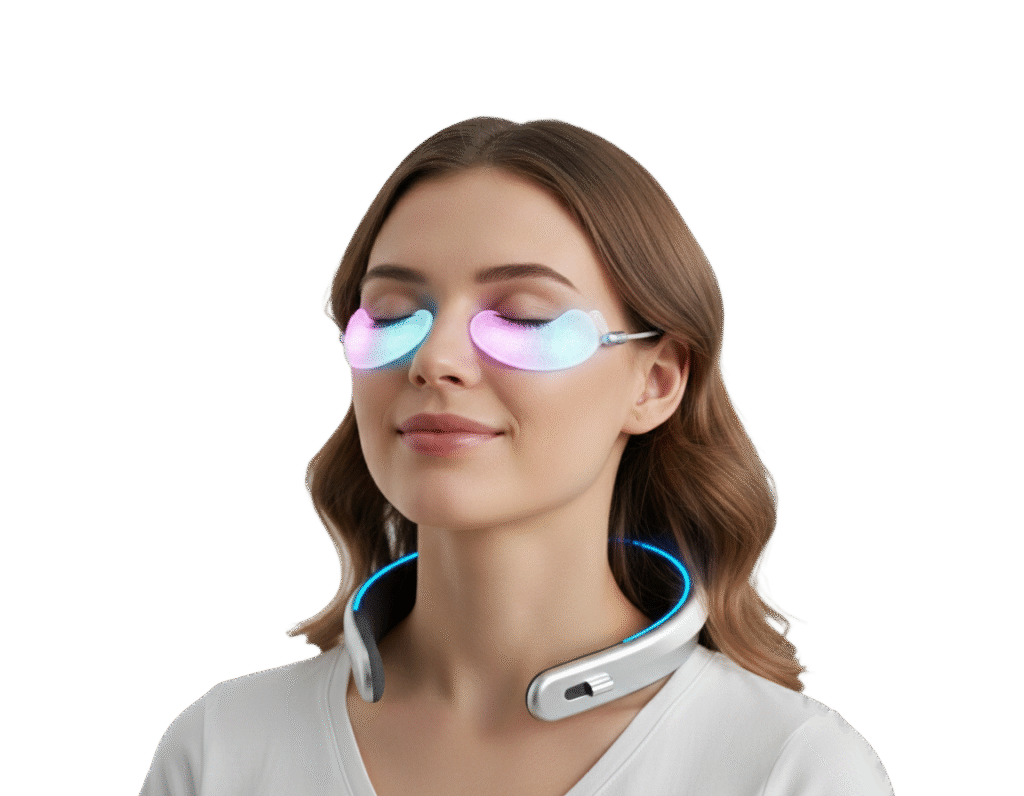
Here’s where it gets interesting. Before each treatment, the LG AI eye patch system uses a camera to capture images of your face. The AI software then analyzes your under-eye area, identifying specific concerns like dark circles, fine lines, puffiness, and uneven texture.
But it doesn’t stop there. The technology segments your under-eye region into multiple micro-zones. Think of it like a heat map of your skin concerns. Maybe your inner corners have more darkness. Perhaps one side has deeper crow’s feet. The left eye might retain more fluid than the right.
Most LED eye masks treat your entire under-eye area the same way. The LG AI eye patch recognizes that your skin isn’t uniform and adjusts accordingly.
Micro-Zone LED Treatment
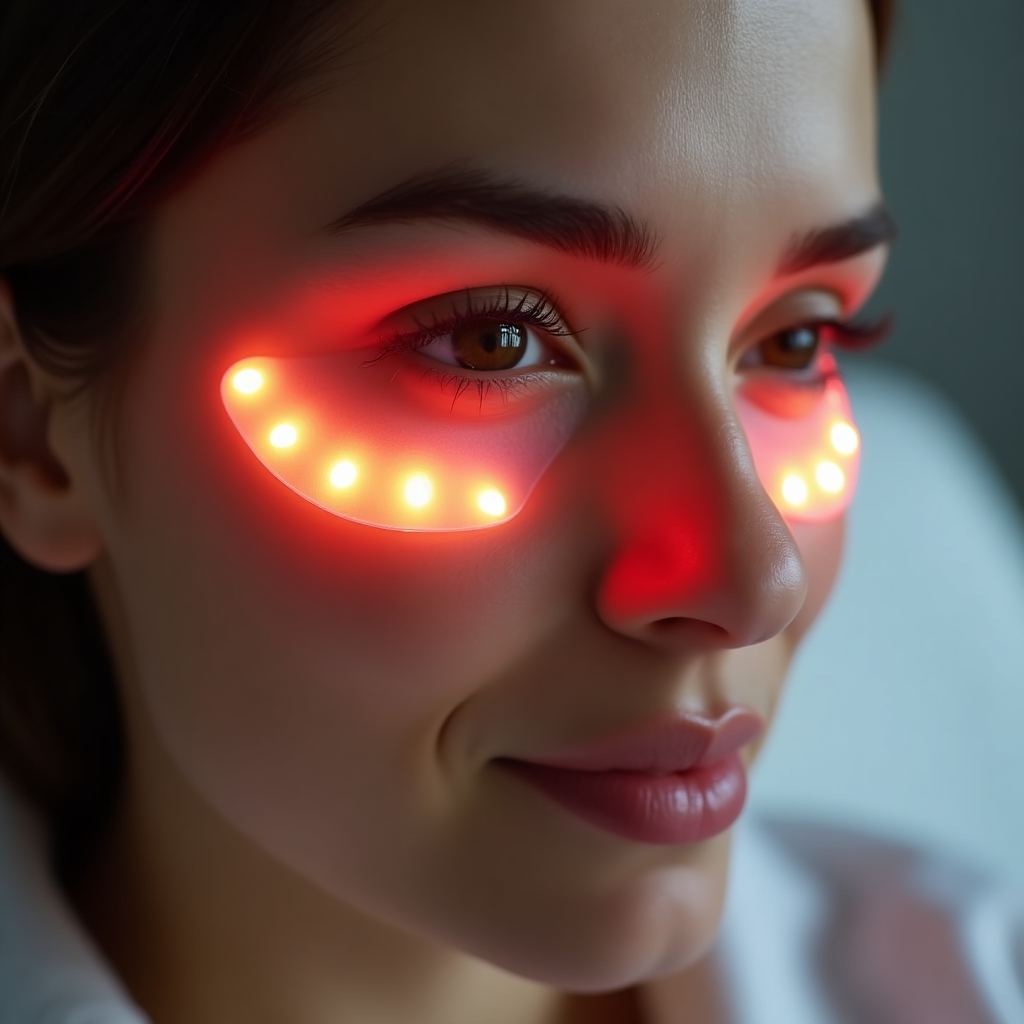
Once the AI completes its analysis, it generates a customized light therapy protocol. Different micro-zones receive different intensities, wavelengths, or treatment durations based on what the AI detected.
This is similar to how professional LED treatments work at high-end spas, where estheticians manually adjust device placement and treatment time based on visual assessment. The LG AI eye patch automates this expertise, making it accessible at home.
The device uses what LG calls a “biomimetic interface,” which is essentially a skin-friendly patch infused with topical formulations. These formulations work synergistically with the LED light to enhance penetration and results.
Adaptive Learning Over Time
What makes the LG AI eye patch truly smart is its ability to track your progress. Each time you use it, the AI captures new data about your skin’s condition. Over weeks and months, it can adjust protocols based on how your skin responds to treatment.
If the AI notices improvement in certain zones, it might reduce intensity there while focusing more energy on stubborn areas. This adaptive approach is completely different from traditional LED masks that deliver the same treatment session after session.


LG AI Eye Patch vs Traditional LED Eye Masks
Personalization vs. Preset Modes
The biggest difference is obvious: personalization. Most LED eye masks come with 3-5 preset modes (anti-aging, brightening, firming, etc.). You pick one and hope it matches your needs.
The LG AI eye patch eliminates guesswork. You don’t choose a mode because the AI chooses for you based on actual analysis of your skin. It’s like having a dermatologist assess your under-eye area before every treatment.
Targeted Treatment vs. Blanket Coverage
Traditional LED eye masks illuminate your entire under-eye area uniformly. If you have darkness on the inner corners but fine lines on the outer edges, too bad. You’re getting the same treatment everywhere.
The LG AI eye patch treats each micro-zone independently. This targeted approach means better results where you need them most, without over-treating areas that don’t require as much attention.
Smart Formulation Integration
Many people don’t realize that what you put on your skin before LED therapy affects results. The LG AI eye patch includes topical formulations specifically designed to work with LED light.
These aren’t just random serums. They’re part of the biomimetic interface that helps conduct light energy into skin while delivering active ingredients. According to clinical research on LED therapy, combining light with appropriate topicals can enhance results by 30-40% compared to light alone.
Current LED Eye Mask Alternatives
If you’re shopping for LED eye treatment now, you’re looking at devices like the TheraFace LED mask (which includes eye coverage), standalone LED eye masks from various brands, or full-face masks that happen to cover the eye area.
None of these options offer AI analysis or micro-zone treatment. They’re still effective for general under-eye concerns, but they lack the LG AI eye patch‘s precision and personalization.
The Technology Behind LG’s Innovation
AI and Computer Vision
The facial analysis component uses computer vision, a branch of AI that’s been refined through millions of facial image analyses. LG likely trained their algorithm on diverse datasets showing various under-eye concerns across different skin types, ages, and ethnicities.
Computer vision can detect subtle variations in skin tone, texture, and structure that human eyes might miss. It measures things like melanin distribution, skin thickness variations, and microvascular patterns that contribute to dark circles.
This technology is similar to what dermatologists use for skin cancer detection or what plastic surgeons use for surgical planning. The LG AI eye patch brings medical-grade analysis to consumer beauty devices.
LED Wavelength Selection
While LG hasn’t released complete technical specifications, LED therapy for under-eye concerns typically uses specific wavelengths. Red light (typically 630-660nm) stimulates collagen production and improves circulation, which helps with fine lines and darkness.
Near-infrared light (often 830-850nm) penetrates deeper to reduce inflammation and fluid retention, targeting puffiness. Some devices also incorporate amber light (around 590nm) for lymphatic drainage.
The LG AI eye patch likely uses multiple wavelengths that can be activated independently in different zones based on the AI’s assessment. According to research from the National Institutes of Health, multi-wavelength LED therapy produces superior results compared to single-wavelength treatment for complex concerns.
Biomimetic Interface Explained
“Biomimetic” means designed to mimic biological processes. In this context, the interface between the device and your skin mimics the way your skin naturally absorbs and responds to stimuli.
The patch material is probably a hydrogel or bio-cellulose substrate that conforms to skin contours, ensuring consistent LED contact. It’s infused with ingredients like hyaluronic acid for hydration, peptides for collagen support, and possibly antioxidants to protect against oxidative stress during treatment.
This approach is backed by dermatological research showing that occlusive patches enhance ingredient penetration while LED light increases cellular receptivity to active compounds. It’s a synergistic system where each component amplifies the others.
What Skin Concerns Can the LG AI Eye Patch Address?
Dark Circles and Hyperpigmentation
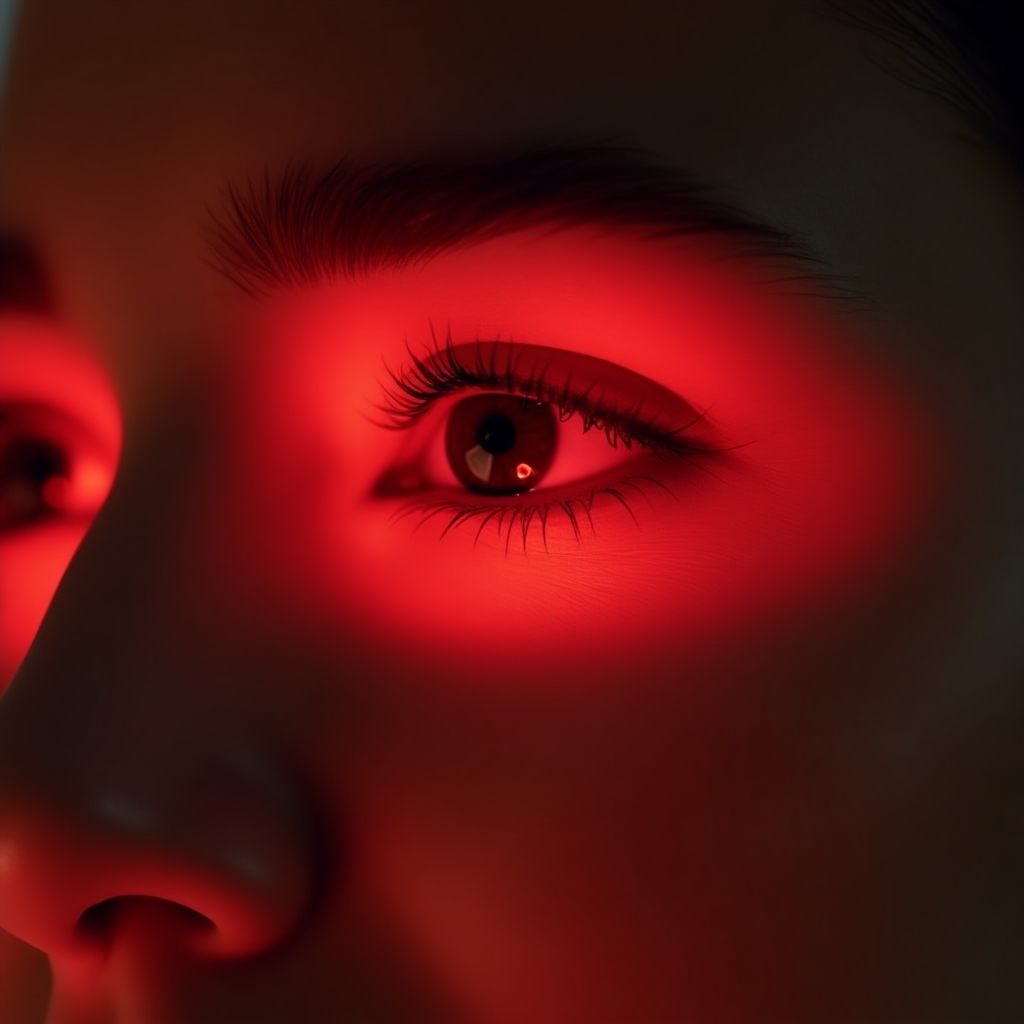
Dark circles have multiple causes: thin skin showing underlying blood vessels, melanin accumulation, shadowing from volume loss, or a combination. The LG AI eye patch can identify which type you have and adjust treatment accordingly.
For vascular dark circles (bluish/purple tones), increased circulation from red light helps. For pigmented dark circles (brownish tones), wavelengths that inhibit melanin production work better. The AI determines your primary concern and selects appropriate protocols.
Clinical studies on LED therapy for periorbital hyperpigmentation show improvement rates of 40-60% after 8-12 weeks of consistent treatment. The LG AI eye patch‘s personalized approach could potentially improve these outcomes.
Fine Lines and Wrinkles
Crow’s feet, under-eye creases, and general crepiness respond well to collagen-stimulating wavelengths. Red and near-infrared light have been clinically proven to increase dermal collagen density when used regularly.
The LG AI eye patch can concentrate treatment on zones with more pronounced lines while providing maintenance therapy to smoother areas. This prevents over-treating delicate skin while ensuring problem areas get adequate attention.
Most people see initial plumping effects within 4-6 weeks as hydration improves and inflammation reduces. Structural collagen changes typically become visible after 8-12 weeks of consistent use.
Puffiness and Fluid Retention
Under-eye puffiness often results from lymphatic congestion, inflammation, or salt/alcohol-related fluid retention. Near-infrared wavelengths help reduce inflammation, while the biomimetic patch may include ingredients that support lymphatic drainage.
The LG AI eye patch can identify asymmetrical puffiness (one eye more swollen than the other) and adjust treatment intensity accordingly. This is particularly useful because fluid retention is often uneven due to sleeping positions or sinus issues.
Combined with proper skincare routines and lifestyle factors, LED therapy can reduce chronic puffiness by improving circulation and reducing inflammatory markers in the tissue.
Skin Texture and Firmness
The under-eye area is prone to loss of elasticity, leading to loose, crepey skin. LED therapy stimulates elastin production alongside collagen, improving skin’s snap-back ability.
The LG AI eye patch‘s micro-zone approach means areas with more significant elasticity loss can receive more intensive treatment. This targeted strategy makes sense because skin aging progresses unevenly due to factors like sun exposure, facial expressions, and genetics.
Expected Launch Date and Pricing
When Can You Buy It?
LG announced the LG AI eye patch at CES 2026 (January 6-9, 2026) but hasn’t confirmed an exact launch date. Based on typical CES-to-market timelines for beauty devices, we’re looking at late 2026 or early 2027 release.
Korean beauty tech companies like LG often launch products domestically first, then expand to international markets. U.S. consumers might see availability 3-6 months after the Korean launch.
If you’re eager to try AI-powered eye treatment, you’ll need patience. However, this timeline gives you the opportunity to research the technology, read early reviews from Korean markets, and make an informed decision before purchasing.
Price Predictions
LG hasn’t announced pricing, but we can estimate based on similar technology. High-end LED eye masks currently range from $200-$400. Adding AI analysis, custom formulations, and award-winning innovation likely pushes the LG AI eye patch toward the premium end.
Expect pricing between $350-$500 for the device, with additional costs for replacement patches and formulations. The biomimetic patches probably aren’t reusable indefinitely, similar to how sheet masks or hydrogel patches work.
While that’s a significant investment, compare it to professional under-eye treatments. Medical-grade LED sessions cost $100-$200 per visit, with recommendations for 8-12 sessions. The LG AI eye patch could pay for itself within months if it delivers comparable results.
What About Subscription Models?
Many smart beauty devices are moving toward subscription models for replacement parts, formulations, or software updates. Don’t be surprised if the LG AI eye patch offers a subscription option for regular delivery of patches and serums.
Subscriptions can actually provide value if they include software updates that improve AI accuracy or add new treatment protocols based on emerging research. Just factor ongoing costs into your purchasing decision.


LG AI Eye Patch vs Other CES 2026 Beauty Tech
L’Oréal’s Flexible LED Face Mask
CES 2026 featured another major LED innovation: L’Oréal’s ultra-thin flexible LED face mask. While both devices represent cutting-edge LED therapy, they target different needs.
L’Oréal’s mask focuses on full-face treatment with emphasis on comfort through flexible design. The LG AI eye patch prioritizes personalization and targets the specific under-eye area. If you’re mainly concerned about eye area aging, LG’s device is more specialized.
However, if you need both full-face and targeted eye treatment, you might eventually want both devices. They complement each other rather than compete.
Traditional Smart Beauty Devices
Other “smart” beauty devices at CES 2026 mostly featured app connectivity, treatment tracking, or preset customization based on skin type quizzes. True AI analysis like the LG AI eye patch offers is still rare.
Most connected devices let you log treatments or adjust intensity via smartphone, but they don’t actually analyze your skin and adapt protocols automatically. That’s the key distinction between AI-powered and merely “smart” devices.
Is the LG AI Eye Patch Worth Waiting For?
If You Have Stubborn Under-Eye Concerns
If you’ve tried multiple eye creams, treatments, and devices without significant improvement, the LG AI eye patch‘s personalized approach could be the breakthrough you need. Generic treatments fail when your specific concerns don’t match the product’s strengths.
AI analysis eliminates that mismatch by tailoring treatment to your actual skin condition. If your dark circles are primarily vascular while your friend’s are pigmentation-based, you’ll receive completely different protocols even though you’re using the same device.
If You Value Convenience and Simplification
The beauty of AI customization is that it removes decision fatigue. You don’t need to research which wavelength treats which concern or manually adjust settings. The system handles optimization for you.
For people who find LED mask protocols confusing or overwhelming, the LG AI eye patch offers a plug-and-play experience with expert-level personalization.
If You’re Budget-Conscious
At the estimated $350-$500 price point plus ongoing patch costs, the LG AI eye patch is a significant investment. If budget is tight, you might get better value from a quality traditional LED eye mask at $150-$250.
However, consider the opportunity cost of buying multiple less-effective products. If you’d otherwise try 3-4 different eye treatments at $80-$120 each over the next year, the LG AI eye patch might actually be more economical in the long run.
Current Alternatives While You Wait
Don’t put your under-eye care on hold until 2027. Current LED eye treatment options can deliver results even without AI personalization. Look for devices with multiple wavelengths (red + near-infrared at minimum) and good skin contact.
You can also optimize current LED therapy by taking detailed before photos, tracking which areas respond best, and manually adjusting your treatment focus accordingly. It’s manual personalization, but it works.
How to Prepare for the LG AI Eye Patch Launch
Establish a Baseline
Start documenting your under-eye concerns now with consistent photos in the same lighting. Take images from multiple angles: straight-on, 45-degree profiles, and looking up to capture under-eye texture.
When the LG AI eye patch launches and you eventually try it, you’ll have solid before photos to track actual progress. Many people overestimate or underestimate results without proper documentation.
Optimize Your Eye Care Routine
Good skincare habits amplify LED therapy results. Start using a quality eye cream with proven ingredients like caffeine (for circulation), vitamin K (for dark circles), and retinol or peptides (for lines).
Keep the under-eye area well-hydrated and protected with SPF during the day. LED therapy works better on healthy, well-maintained skin than on dehydrated, sun-damaged skin.
Research AI Beauty Tech
Familiarize yourself with how AI skincare analysis works. Other companies like Neutrogena and Proven Skincare offer AI skin assessments (though not integrated into devices yet). Understanding the technology helps you evaluate whether the LG AI eye patch delivers on its promises.
Look for independent reviews once the device launches in Korea. Korean beauty enthusiasts are sophisticated consumers who will test these claims thoroughly before the international release.
Budget and Save
If you’re interested in purchasing, start setting aside money now. At $30-$50 per month, you’ll have $360-$600 saved by late 2026 or early 2027, covering the device plus initial patches and formulations.
Consider it an investment in your skin health. LED therapy has strong clinical evidence for efficacy when used consistently, and personalized treatment should theoretically improve outcomes beyond generic protocols.
The Science Behind Personalized LED Therapy
Why One-Size-Fits-All Falls Short
Your skin is unique in terms of thickness, melanin content, vascularity, collagen density, and cellular turnover rate. These factors affect how your skin responds to LED therapy.
A thin-skinned person might need lower intensity to avoid irritation, while someone with thicker skin might require higher intensity for light to penetrate adequately. Melanin absorbs light energy, so darker skin tones may need adjusted wavelengths or intensity.
The LG AI eye patch can theoretically account for these variables by analyzing your skin’s optical properties and adjusting parameters accordingly. This is similar to how laser treatments are customized based on skin type and condition.
Evidence for Multi-Zone Treatment
Research on phototherapy shows that combination protocols (using different wavelengths for different concerns) outperform single-wavelength approaches. A study published in the Journal of Clinical and Aesthetic Dermatology found that multi-wavelength LED therapy produced 34% better improvement in periorbital wrinkles compared to red light alone.
The LG AI eye patch‘s micro-zone approach takes this concept further by recognizing that even within the small under-eye area, different zones may require different treatment strategies.
AI’s Role in Treatment Optimization
Machine learning algorithms can identify patterns humans miss. They can correlate subtle skin features with treatment outcomes, continuously improving their recommendations based on aggregate data from thousands of users.
As more people use the LG AI eye patch, the system theoretically gets smarter, learning which protocols work best for specific skin concerns, types, and conditions. This collective intelligence benefits all users through software updates.
FAQs About the LG AI Eye Patch
How much does the LG AI eye patch cost?
The LG AI eye patch price hasn’t been officially announced yet. Based on similar premium LED devices and advanced AI technology, experts estimate it will cost between $350-$500, plus additional costs for replacement patches and serums. Official pricing will be revealed closer to the launch date in late 2026 or early 2027.
When will the LG AI eye patch be available?
The LG AI eye patch was unveiled at CES 2026 (January 6-9) but doesn’t have a confirmed release date. It’s expected to launch in late 2026 or early 2027, first in South Korea, then internationally 3-6 months later. Check LG’s official channels for updates.
Does the LG AI eye patch work for dark circles?
Yes, the LG AI eye patch uses clinically proven LED wavelengths to treat dark circles. It identifies whether your dark circles are vascular (bluish), pigmented (brownish), or volume-related, then applies appropriate treatment. Clinical studies show LED therapy improves under-eye darkness by 40-60% after 8-12 weeks of consistent use.
How often should I use the LG AI eye patch?
While official guidelines aren’t released, typical LED therapy recommends 3-5 sessions per week for 10-20 minutes. The LG AI eye patch may provide personalized frequency recommendations based on your skin’s response. Consistency matters more than intensity for best results.
Is the LG AI eye patch safe for all skin types?
LED light therapy is generally safe for all skin types since it doesn’t use UV radiation. The LG AI eye patch AI customization enhances safety by adjusting intensity for individual skin. However, consult a dermatologist if you have photosensitivity, active infections, or take photosensitizing medications.
Is the LG AI eye patch worth buying?
The LG AI eye patch is worth it if you have stubborn under-eye concerns, value personalization, and commit to 8-12 weeks of use. Consider that professional LED sessions cost $100-$200 each (with 8-12 recommended), so this device could pay for itself. However, if you’re budget-conscious, try affordable LED options first.
The Future of AI-Powered Skincare Devices
The LG AI eye patch represents where beauty technology is headed: truly intelligent, adaptive devices that learn and improve over time. We’re moving from passive tools to active skincare partners that observe, analyze, and optimize.
Future iterations might integrate with health tracking apps to correlate skin condition with sleep quality, stress levels, or nutrition. Imagine your eye patch adjusting treatment protocols based on last night’s sleep data or this week’s water intake.
As AI technology becomes more sophisticated and accessible, expect similar innovations across other skincare categories. AI-powered LED face masks, personalized microcurrent devices, and custom formulation systems are likely next.
The key question is whether AI customization delivers meaningfully better results than well-designed generic protocols. Early adopters of the LG AI eye patch will help answer that question. If it proves successful, it could accelerate the entire industry’s shift toward personalized beauty tech.
For now, the announcement alone is exciting. LG has shown that major consumer electronics companies are taking beauty tech seriously, investing in real innovation rather than just repackaging existing technology with better marketing.
Whether you choose to wait for the LG AI eye patch or stick with current options, you’re living in a remarkable time for at-home skincare technology. Treatments that required professional equipment just a decade ago are now available for home use, and they’re getting smarter every year.
Keep track of the launch through GlowMaskHub where we’ll provide hands-on reviews, comparisons, and detailed analysis once the LG AI eye patch becomes available. The future of eye care is personalized, intelligent, and closer than you think.