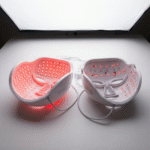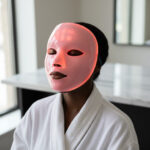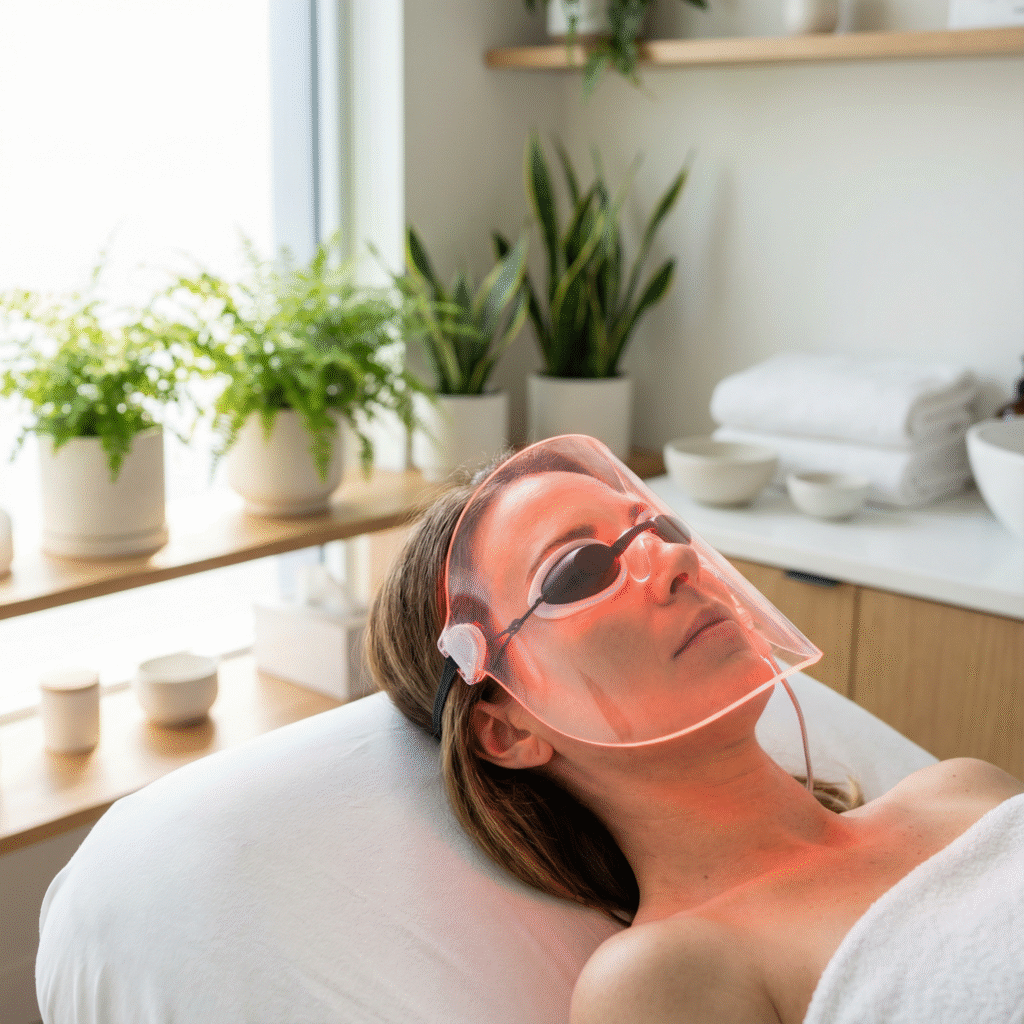
If you’ve just invested in an LED face mask or you’re thinking about buying one, you’ve probably wondered: do LED masks need eye protection? It’s one of the most common questions I hear from people new to light therapy, and honestly, it makes complete sense to ask.
The short answer: Most consumer LED masks don’t require separate eye protection because they’re designed with built-in safety features, but it depends on the device’s intensity and your eye sensitivity. Quality LED masks typically include eye shields, lower-intensity lights near the eye area, or complete eye cutouts that prevent direct light exposure to your eyes.
However, the full story is more nuanced than a simple yes or no. Understanding when you do or don’t need extra protection, what risks actually exist, and how to use your LED mask safely can make the difference between effective skincare and unnecessary worry. After testing dozens of LED masks and speaking with dermatologists about light therapy safety, I’ve learned that eye protection isn’t one-size-fits-all.
In this guide, we’ll break down everything you need to know about LED mask eye safety, from the science behind light exposure to practical tips for protecting your vision while getting amazing skin results.
Understanding LED Light Therapy and Your Eyes
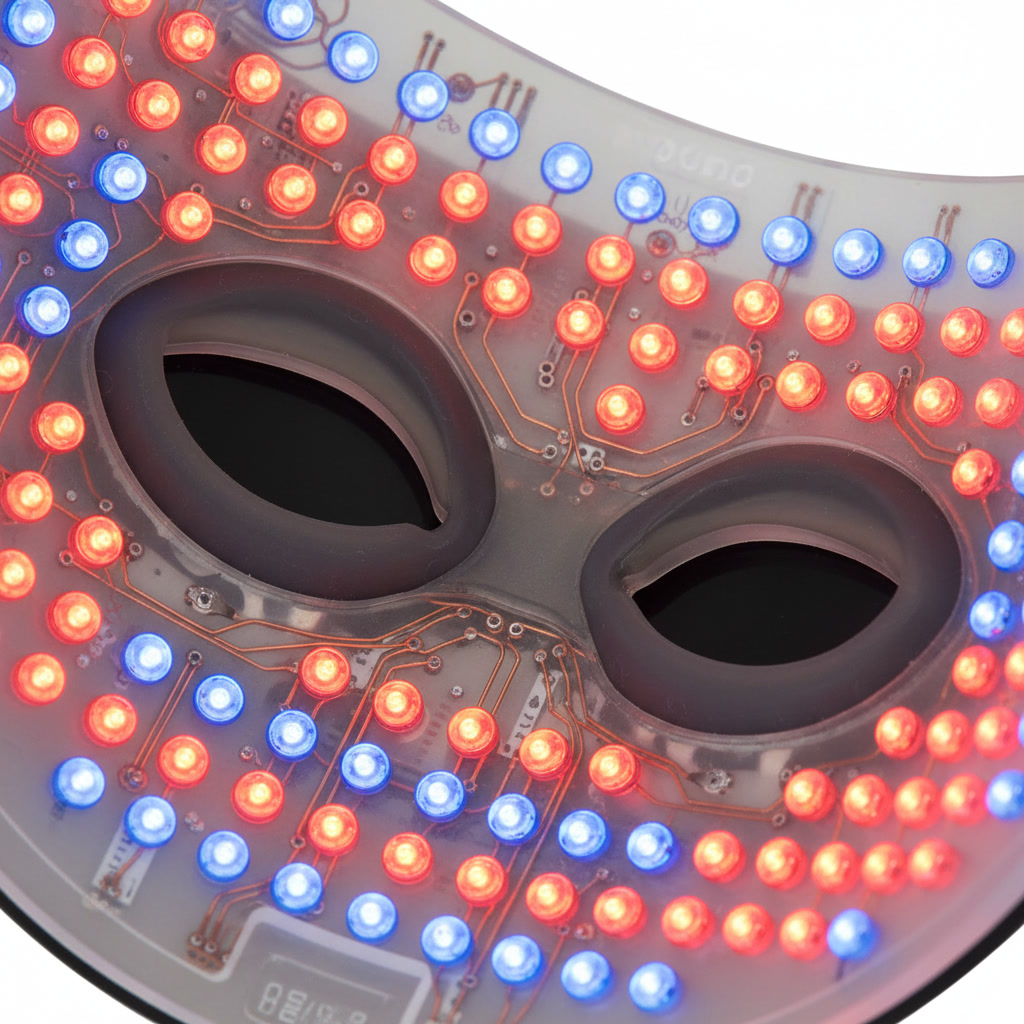
Before we dive into whether do LED masks need eye protection, let’s talk about what’s actually happening when you use these devices. LED masks emit specific wavelengths of light, typically red (around 630-660nm), near-infrared (830-850nm), and sometimes blue (415-430nm) or amber light. Each color targets different skin concerns, from acne to wrinkles.
Your eyes are incredibly sensitive to light, much more so than your skin. While your skin absorbs these wavelengths to stimulate collagen production or kill acne bacteria, your eyes aren’t meant to handle prolonged, direct exposure to concentrated LED light. That’s where the question of eye safety comes in.
According to research published by the National Institutes of Health, LED light therapy at cosmetic device intensities is generally considered safe for skin use. However, the same research emphasizes that eye protection should be considered based on light intensity and exposure duration.
Do LED Masks Need Eye Protection Based on Light Wavelengths?
Different wavelengths interact with your eyes differently. Red and near-infrared light can penetrate deeper into eye tissue, while blue light primarily affects the surface. Here’s what happens:
Red Light (630-660nm): Can cause temporary photophobia (light sensitivity) or eye strain with direct, prolonged exposure. Some users report seeing afterimages or experiencing mild discomfort.
Blue Light (415-430nm): This is the wavelength that raises the most concern. According to the American Academy of Ophthalmology, excessive blue light exposure can contribute to digital eye strain and potentially affect your circadian rhythm.
Near-Infrared (830-850nm): Generally considered the safest for eyes, though direct exposure isn’t recommended. It’s invisible to the human eye but can still affect retinal tissue.
Most people won’t experience serious issues from occasional LED mask use, but chronic exposure without proper precautions could lead to eye fatigue, dryness, or temporary vision changes.


Do LED Masks Need Eye Protection If They Have Built-In Safety Features?
Here’s something that might surprise you: many manufacturers have already thought about whether do LED masks need eye protection, Reputable brands understand that do LED masks need eye protection is a common concern, so they engineer solutions directly into their products. I’ve tested everything from budget $30 masks to professional-grade $400 devices, and the quality ones all include some form of eye protection.
Eye Shields and Blackout Zones
Premium LED masks like the CurrentBody Skin LED Light Therapy Mask come with integrated eye shields, essentially dark patches or completely blocked-out areas where your eyes sit. These prevent any direct light from hitting your closed eyelids.
Reduced Intensity Zones
Some devices use dimmer LEDs around the eye area while maintaining full intensity on your cheeks, forehead, and chin. This graduated approach gives you treatment benefits without the risk.
Complete Eye Cutouts
Many masks feature large cutouts where your eyes are, allowing you to keep them open during treatment if you want. While this doesn’t help with undereye treatment, it eliminates the primary concern about do LED masks need eye protection for retinal safety.
When You Should Use Additional Eye Protection
Even with built-in features, there are situations where adding extra protection makes sense. If you’re using a high-intensity professional device, have pre-existing eye conditions, or experience sensitivity, don’t skip this step.
High-Intensity Professional Devices
Devices marketed for professional use or medical-grade LED panels operate at much higher intensities than consumer masks. According to guidelines from the FDA on light-based medical devices, higher-intensity devices require appropriate eye protection during use.
If your LED mask delivers more than 100mW/cm² (most consumer devices are 20-50mW/cm²), you should absolutely use protective goggles designed for LED light therapy. For these devices, do LED masks need eye protection isn’t even a question, it’s an absolute requirement.
Pre-Existing Eye Conditions
Do LED masks need eye protection if you have eye issues? Absolutely. If you have conditions like:
- Glaucoma
- Macular degeneration
- Cataracts
- Recent eye surgery
- Chronic dry eye
- Light sensitivity disorders
Talk to your ophthalmologist before using any LED mask. They might recommend specific wavelength-blocking goggles or suggest avoiding LED therapy near your eyes entirely.
Medication-Related Photosensitivity
Certain medications make your eyes more sensitive to light. Antibiotics like doxycycline, some antidepressants, and even ibuprofen can increase photosensitivity. If you’re on any medication that warns about sun exposure, the same caution applies to concentrated LED light.
Types of Eye Protection for LED Masks
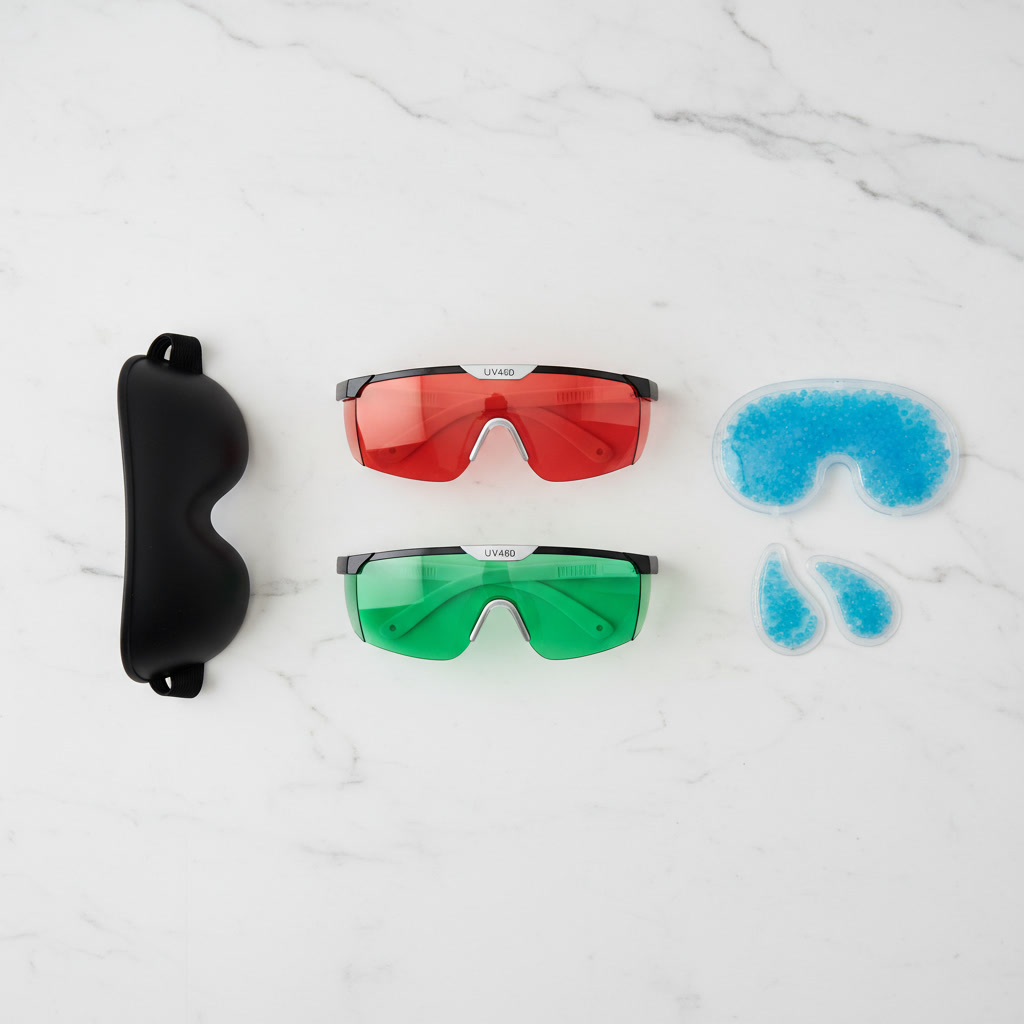
If you’ve determined you need extra protection beyond what your mask provides, you have several options. Not all eye protection is created equal, and choosing the wrong type can either be ineffective or unnecessarily restrictive.
LED-Specific Safety Goggles
These are designed specifically for light therapy and block specific wavelengths while allowing you to see. Quality options filter out red and blue light wavelengths used in LED therapy while maintaining some visibility. They typically cost $15-40 and are reusable.
According to research on phototherapy safety, wavelength-specific goggles provide the most targeted protection without blocking beneficial ambient light. These goggles are the gold standard answer when do LED masks need eye protection beyond built-in features.
Standard Eye Shields
These are the simple, opaque shields that come with some LED masks or can be purchased separately. They’re basically padded, dark fabric that blocks all light. While effective, they can feel claustrophobic and don’t allow you to do anything during your treatment.
DIY Protection Methods
Some people use cotton pads, sleep masks, or even cucumber slices over their closed eyes during LED treatments. While better than nothing, these aren’t specifically designed for LED light blocking and may not provide adequate protection at all wavelengths.
The table below helps you decide do LED masks need eye protection and which type works best for your needs:
| Protection Type | Light Blocking | Comfort | Cost | Best For |
|---|---|---|---|---|
| LED Safety Goggles | Wavelength-specific (90-99%) | High, allows vision | $15-40 | High-intensity devices, professional use |
| Opaque Eye Shields | Complete (100%) | Medium, blocks vision | $5-15 | Standard consumer masks, budget option |
| Built-in Mask Features | Varies (70-100%) | High, integrated | Included | Most consumer LED masks |
| Cotton Pads/Sleep Masks | Partial (40-60%) | Low to medium | $3-10 | Emergency backup only |
Signs Your Eyes Need Protection During LED Therapy
Your body is pretty good at telling you when something’s wrong. If you’re wondering do LED masks need eye protection in your specific case, pay attention to these warning signs during or after treatment.
Immediate Symptoms
- Seeing spots or afterimages: If you open your eyes during treatment and see colored spots that persist for more than a few seconds, that’s direct retinal exposure. Not necessarily dangerous from occasional occurrence, but it means you need better eye coverage.
- Eye discomfort or pain: Any stinging, burning, or sharp pain in your eyes during treatment is a red flag. Stop immediately and add protection for future sessions.
- Excessive tearing: Your eyes producing tears during LED treatment is a defensive response to bright light. It’s your body’s way of saying the exposure is too much.
Post-Treatment Symptoms
- Prolonged light sensitivity: If you find yourself squinting at normal room lighting for 30+ minutes after your LED session, you need better eye protection. Some temporary adjustment is normal, but extended photophobia isn’t.
- Headaches behind the eyes: Tension headaches that start during or right after LED therapy and center behind your eyes suggest overstimulation from light exposure.
- Blurry vision: Any vision changes, even temporary ones lasting more than 10 minutes post-treatment, warrant additional eye protection and possibly a check-in with your eye doctor.
- Dry, irritated eyes: While LED therapy itself doesn’t dry out eyes, keeping them tightly shut for 10-20 minutes can reduce blinking and cause dryness. If this happens consistently, consider goggles that allow you to blink normally.
I’ve experienced the afterimage issue myself when testing a particularly bright mask without proper eye coverage. Those floating purple spots lasted about five minutes, nothing serious, but enough to make me more careful about do LED masks need eye protection for subsequent treatments.
Best Practices for Safe LED Mask Use
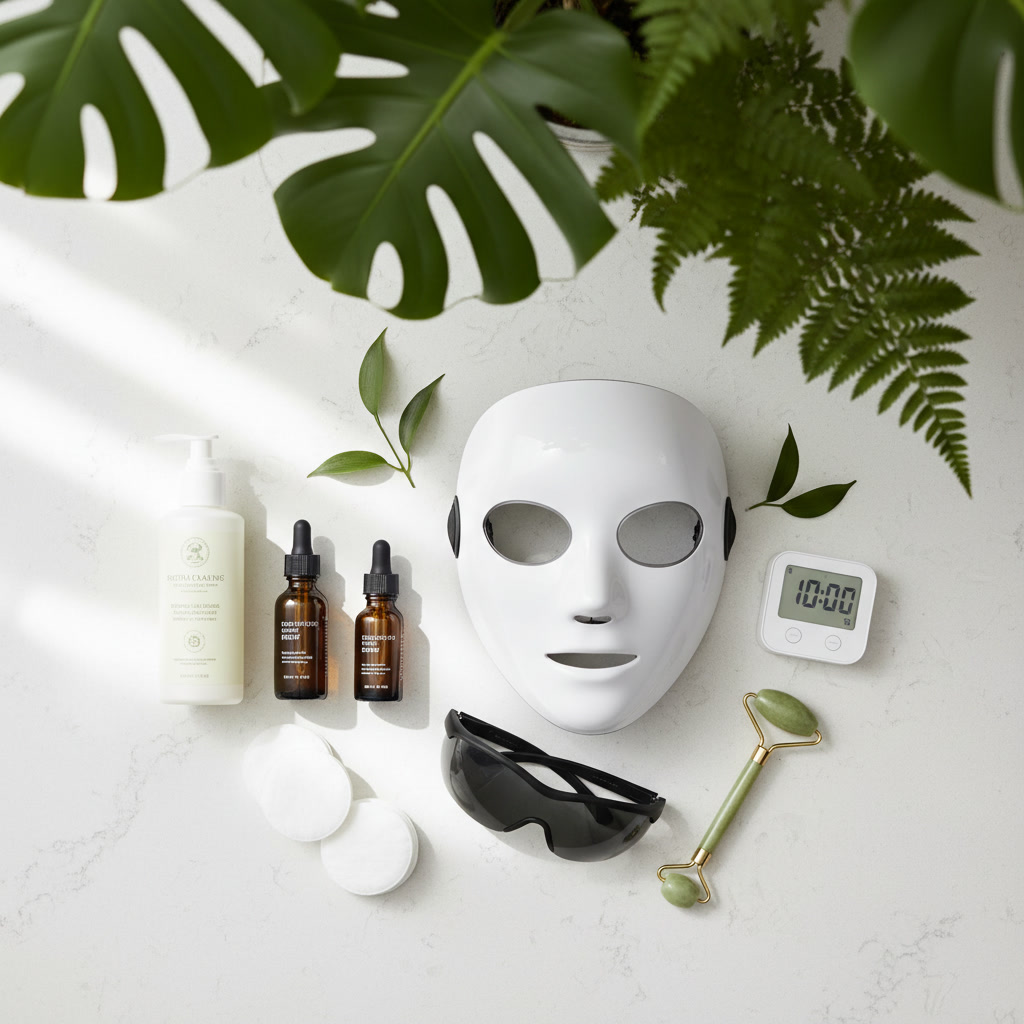
Beyond just answering do LED masks need eye protection, let’s talk about creating a completely safe LED therapy routine. These practices will protect not just your eyes but optimize your results.
Always Start with Clean Skin
Certain skincare products can increase light sensitivity. According to dermatology guidelines from Harvard Medical School, retinoids, AHAs, and vitamin C can make skin more photosensitive, though LED light is different from UV exposure.
Still, starting with a clean face ensures you’re not trapping photosensitizing products under the mask near your eye area.
Keep Eyes Closed Unless Your Mask Allows Otherwise
This seems obvious, but I’ve seen people try to scroll their phones or watch TV during LED sessions with masks that don’t have eye cutouts. Don’t do this. Even if you’re wearing a mask with partial eye coverage, opening your eyes lets light scatter into them.
Think of your 10-20 minute LED session as meditation time. Close your eyes, relax, and let the therapy work.
Follow Manufacturer Guidelines on Distance and Duration
The question of do LED masks need eye protection is partly answered by proper usage. Most consumer masks are designed for direct skin contact, which actually helps control light scatter. If your mask sits too far from your face or you’re using a panel-style device, you increase the chance of light hitting your eyes at odd angles.
Never exceed recommended treatment times. More isn’t better with LED therapy, it just increases unnecessary light exposure.
Adjust Brightness if Available
Some advanced LED masks offer intensity settings. If you’re new to LED therapy or have sensitive eyes, start at lower intensities and work your way up. Your skin will still benefit, and you’ll reduce eye exposure.
The Nanoleaf LED Light Therapy Mask offers adjustable intensity, which is perfect for people concerned about whether do LED masks need eye protection based on their personal tolerance.
Debunking Common Myths About LED Masks and Eye Safety
There’s a lot of misinformation out there about whether do LED masks need eye protection. Let’s clear up some persistent myths that might be causing unnecessary worry or false confidence.
Myth 1: “All LED Light Is Dangerous to Eyes”
The Truth: LED light at cosmetic device intensities is vastly different from staring at the sun or industrial LEDs. The wavelengths used in skincare (primarily 630nm red and 830nm near-infrared) are at intensities specifically calibrated for safe skin contact.
That said, “safe for skin” doesn’t automatically mean “safe for prolonged direct eye exposure,” which is why mask designs incorporate eye protection features.
Myth 2: “Closed Eyelids Are Enough Protection”
The Reality: Your eyelids provide some protection, but they’re thin, only about 0.5mm thick. Red light especially can penetrate through closed eyelids. You might notice a reddish glow even with your eyes shut during treatment.
For most consumer devices, closed eyelids plus the mask’s built-in shields are sufficient. But for high-intensity devices or sensitive individuals, additional protection helps.
Myth 3: “Blue Light LED Therapy Will Damage Your Retinas”
What the Science Says: There’s legitimate concern about blue light from screens, but LED mask blue light is different in both intensity and duration. According to ophthalmology research on blue light exposure, you’d need prolonged, high-intensity exposure to cause retinal damage.
A 10-minute LED mask session a few times a week doesn’t approach those levels. However, direct exposure isn’t recommended, which is why do LED masks need eye protection remains a valid question.
Myth 4: “Red Light Therapy Can Improve Eye Health, So It’s Always Safe”
The Nuance: There is emerging research about low-level red light therapy for certain eye conditions, but this uses very specific wavelengths, intensities, and protocols under medical supervision. Your cosmetic LED face mask isn’t designed for eye therapy and shouldn’t be used that way.
Different applications require different safety measures.
Comparing Eye Safety Across Different LED Mask Types
Not all LED masks are designed equally when it comes to eye protection. If you’re shopping for a mask and wondering do LED masks need eye protection, here’s how different styles stack up.
Full-Face Masks with Eye Shields
These cover your entire face, including the forehead and chin, but have built-in protection over the eye area. Examples include professional-grade masks and premium consumer devices.
Eye Safety Rating: High – The integrated shields block direct light while treating the surrounding eye area (undereye, crow’s feet, eyelids from the outside).
Best for: People who want complete facial coverage and don’t want to think about whether do LED masks need eye protection.
Masks with Eye Cutouts
These have large openings where your eyes are. You can keep your eyes open, closed, or even read during treatment. Popular with people who don’t like the claustrophobic feeling of full-face masks.
Eye Safety Rating: Very High – Zero direct eye exposure, though you miss treating the eye area.
Best for: Anyone with eye sensitivity, those who want to multitask during treatment, people primarily targeting lower face acne or overall skin tone.
Panel-Style LED Devices
These aren’t masks but rather stand-alone LED panels you position in front of your face. They offer flexibility in distance and angle but require more attention to proper use.
Eye Safety Rating: Medium to Low – Completely dependent on user positioning and whether they add separate eye protection. These devices often require you to answer do LED masks need eye protection yourself based on distance and intensity.
Best for: Advanced users comfortable managing their own safety protocols, those treating larger areas like neck and chest.
Targeted LED Wands and Spot Treatments
Handheld devices for specific areas like undereye or acne spots. These get very close to the eye area but treat small zones.
Eye Safety Rating: Medium – Safe when used properly, but easier to accidentally direct light toward eyes during use.
Best for: Spot treatments, people who want control over exactly where light is applied.
For more detailed comparisons of LED mask styles, check out our guide to the best LED face masks for different skin concerns.


What Dermatologists and Eye Doctors Say
Professional medical opinions help answer do LED masks need eye protection from an evidence-based perspective. I’ve compiled insights from dermatologists and ophthalmologists who work with light therapy.
According to board-certified dermatologists, consumer LED masks are designed with safety margins that account for home use without medical supervision. The consensus is that built-in eye protection features in quality masks are adequate for most users.
However, ophthalmologists add an important caveat: individual eye health matters. Someone with healthy eyes and no risk factors can safely use a consumer LED mask with standard built-in protection. Someone with compromised eye health should take extra precautions.
Research on photobiomodulation safety published in medical journals confirms that at cosmetic device intensities (typically 20-50 mW/cm²), LED therapy poses minimal risk when eye protection protocols are followed.
The medical community’s answer to do LED masks need eye protection essentially comes down to: it depends on the device intensity, your individual eye health, and whether you’re using the device as intended.
One dermatologist I spoke with put it perfectly: “I’d rather see patients use appropriate eye protection and feel confident in their LED therapy than skip treatments because they’re worried about their eyes.”
How to Choose Eye Protection for Your LED Mask
If you’ve decided you want additional protection beyond what your mask offers, here’s how to choose the right option without wasting money on ineffective products.
Match Protection to Your Light Wavelengths
Check your LED mask specifications for the wavelengths it emits. Then look for eye protection rated for those specific ranges. Red light therapy typically uses 630-660nm and 830-850nm, while blue light uses 415-430nm.
Safety goggles should explicitly state they block or filter these wavelengths. Generic sunglasses or dark glasses won’t necessarily protect you from LED light, even if they look dark.
Consider Comfort for Your Treatment Duration
If you’re doing 10-minute sessions, you can tolerate slightly less comfortable eye protection. For 20-30 minute treatments, comfort becomes crucial. Look for:
- Padded edges that don’t press into your face
- Adjustable straps that don’t pull your hair
- Lightweight materials that don’t create pressure headaches
- Adequate ventilation to prevent fogging or sweating
I made the mistake of buying super cheap plastic goggles for my first LED mask. They were technically effective but so uncomfortable that I started skipping the eye protection. That defeated the entire purpose.
Opt for Reusable Over Disposable
Disposable eye shields might seem convenient, but they create waste and ongoing costs. A good pair of reusable LED therapy goggles costs $20-35 and will last for years of regular use.
Clean them after each use with a gentle soap and water, and they’ll stay hygienic and effective.
Read Reviews from Other LED Mask Users
Don’t just trust the product description. Look for reviews from people specifically using the goggles with LED face masks. They’ll mention issues like whether the goggles fit under a mask, whether they block enough light, and whether they’re comfortable for typical treatment times.
The question of do LED masks need eye protection has been discussed extensively in beauty and skincare communities. Tap into that collective knowledge before making a purchase.
Creating Your Safe LED Therapy Routine
Let’s put everything together into a practical routine that addresses whether do LED masks need eye protection while optimizing your results.
Pre-Treatment (5 minutes)
- Cleanse your face thoroughly – Remove all makeup, sunscreen, and skincare products. Use a gentle cleanser suitable for LED therapy.
- Check your LED mask – Ensure all LEDs are functioning, the device is clean, and eye protection features are intact. If using separate eye protection, have it ready.
- Set up your environment – Dim room lights, get comfortable, set a timer if your mask doesn’t have one built in.
- Quick eye check – Notice how your eyes feel. If they’re already strained, dry, or irritated, consider skipping LED therapy that day or using extra protection.
During Treatment (10-20 minutes)
- Position your mask correctly – Ensure eye shields or cutouts align properly with your eyes. A poorly positioned mask is the biggest reason people wonder if do LED masks need eye protection.
- Close your eyes – Unless your mask has full eye cutouts and you want them open, keep your eyes gently closed throughout treatment.
- Stay still – Movement can shift the mask and expose your eyes to light. Use this time to meditate, listen to music, or simply relax.
- Monitor comfort – If you feel any eye discomfort, see flashing lights, or experience pain, stop the treatment immediately.
Post-Treatment (5-10 minutes)
- Remove mask gradually – Don’t immediately open your eyes to bright light. Keep them closed for a few seconds after removing the mask.
- Assess how you feel – Notice any eye sensitivity, headache, or vision changes. These inform whether you need more protection next time.
- Apply skincare – LED therapy makes your skin more receptive to products. Apply hyaluronic acid, peptides, or other serums while your skin is primed.
- Clean your device – Wipe down the mask and any eye protection you used.
Special Considerations for Sensitive Users
Some people need to be extra careful about whether do LED masks need eye protection based on specific factors. If any of these apply to you, take additional precautions.
Light-Sensitive Conditions
Conditions like photophobia, migraines triggered by light, or chronic light sensitivity require extra care. Even if the LED mask won’t directly damage your eyes, it could trigger uncomfortable symptoms.
Solution: Use complete blackout eye protection and start with shorter sessions (5 minutes) to assess tolerance. Consider masks with eye cutouts that allow you to keep eyes open in a dimly lit room.
Contact Lens Wearers
Wearing contacts during LED therapy isn’t inherently dangerous, but the combination of heat from the mask, closed eyes reducing blinking, and concentrated light can cause dryness and discomfort.
Solution: Remove contacts before LED therapy. The 10-20 minutes without them won’t impact your vision, and your eyes will be more comfortable.
Pregnancy and Nursing
While LED therapy is generally considered safe during pregnancy, there’s limited research on effects during this time. Some practitioners recommend extra caution with any light or energy-based treatments.
Solution: Consult your healthcare provider. If you get approval for LED therapy, use the highest level of eye protection available as an additional precaution.
Children and Teens
Young people have more sensitive eyes and developing visual systems. The question of do LED masks need eye protection is even more critical for users under 18.
Solution: LED masks aren’t typically recommended for children. For teens dealing with acne, use only devices with complete eye protection and adult supervision. Consider alternatives like spot treatments with LED wands instead of full-face masks.
Long-Term Eye Safety with Regular LED Use
If you’re using LED therapy consistently (3-5 times per week), you’re probably wondering about cumulative effects. Does regular use change whether do LED masks need eye protection over time?
Current research on long-term LED therapy focuses mainly on skin effects, with limited studies on prolonged eye safety for cosmetic users. However, medical applications of LED therapy have longer safety track records.
According to phototherapy safety guidelines, repeated exposure at cosmetic device intensities hasn’t shown cumulative eye damage in clinical settings when basic precautions are followed.
That said, “no evidence of harm” isn’t the same as “proven completely safe forever.” Here’s how to protect yourself long-term:
Annual Eye Exams
- If you’re a regular LED mask user, mention this to your eye doctor during annual exams. They can monitor for any changes that might be related to light exposure, though these are unlikely.
Take Breaks
- You don’t need to use LED therapy every single day. Most protocols recommend 3-5 sessions per week with rest days. This gives your eyes (and skin) recovery time.
Rotate Treatment Areas
- Consider alternating between full-face treatments and targeted areas. This reduces cumulative eye exposure while maintaining your skincare routine.
Upgrade Your Device Periodically
- As technology improves, newer LED masks often include better eye protection features. Every few years, evaluate whether newer models offer safety advantages worth upgrading for.
FAQ: Do LED Masks Need Eye Protection?
Are LED face masks safe to use without eye protection?
Most quality consumer LED face masks are safe to use with their built-in eye protection features alone. These devices are specifically designed with eye shields, reduced intensity zones around the eyes, or complete eye cutouts that prevent harmful direct light exposure. However, if you’re using a high-intensity professional device, have pre-existing eye conditions, or experience sensitivity during treatment, additional eye protection like LED-specific safety goggles is recommended. The answer to do LED masks need eye protection ultimately depends on your device type and individual eye health.
Can LED light therapy damage your retinas?
At the intensities used in consumer LED face masks (typically 20-50 mW/cm²), LED light therapy is extremely unlikely to cause retinal damage when devices are used as directed with proper eye protection. Research published in ophthalmology journals indicates that retinal damage from LED exposure requires much higher intensities and longer durations than cosmetic devices provide. However, direct eye exposure to LED light is never recommended, which is why quality masks include protective features. If you have concerns about whether do LED masks need eye protection for your specific situation, consult an eye care professional before starting LED therapy.
What wavelengths of LED light are most concerning for eye safety?
Blue light (415-430nm) raises the most concern for eye safety because it carries higher energy and has been linked to potential retinal stress with chronic exposure, though cosmetic device intensities are much lower than damaging levels. Red light (630-660nm) can penetrate through closed eyelids and cause temporary photophobia or afterimages with direct exposure. Near-infrared light (830-850nm) is generally considered safest for eye proximity but still shouldn’t be directed into eyes. Understanding these wavelength differences helps answer do LED masks need eye protection, quality masks account for these varying risk levels in their design.
Should I wear goggles under my LED face mask?
You should wear goggles under your LED face mask if you’re using a professional-grade or high-intensity device (over 100 mW/cm²), have pre-existing eye conditions like glaucoma or macular degeneration, take photosensitizing medications, or experience eye discomfort during standard treatments. For most consumer LED masks with built-in eye shields or cutouts, additional goggles aren’t necessary and may actually reduce treatment effectiveness by creating gaps between the mask and your skin. The decision about whether do LED masks need eye protection beyond built-in features should be based on your device specifications and personal eye health, not as a universal requirement.
Can I open my eyes during LED mask treatment?
You should only open your eyes during LED mask treatment if your device has complete eye cutouts that prevent any direct light exposure to your eyes. For masks with eye shields or partial coverage, keep your eyes closed throughout the entire treatment session. Opening your eyes under a mask without full cutouts exposes your retinas to concentrated LED light, which can cause temporary afterimages, photophobia, or eye strain even if it doesn’t cause permanent damage. If you find keeping your eyes closed for 10-20 minutes uncomfortable, choose a mask design with eye cutouts rather than risking exposure, this directly addresses whether do LED masks need eye protection during use.
Conclusion: Making Smart Decisions About LED Mask Eye Safety
So, do LED masks need eye protection? The answer is that quality consumer LED masks are designed with eye safety features that are adequate for most users, but individual circumstances matter significantly.
If you’re using a reputable LED face mask with built-in eye shields or cutouts, following manufacturer guidelines, and experiencing no discomfort, you’re likely fine with the standard protection. However, if you’re using high-intensity professional devices, have any eye health concerns, or notice sensitivity during treatments, adding LED-specific safety goggles is a smart, inexpensive precaution.
The key is paying attention to your body’s signals and choosing products designed with safety in mind. Don’t let fear of eye damage prevent you from enjoying the proven benefits of LED therapy, but don’t ignore legitimate safety considerations either.
Start with a quality LED mask that includes eye protection features, follow best practices for safe use, and adjust your approach based on how your eyes respond. Your skin will thank you, and your eyes will stay healthy and comfortable throughout your LED therapy journey.