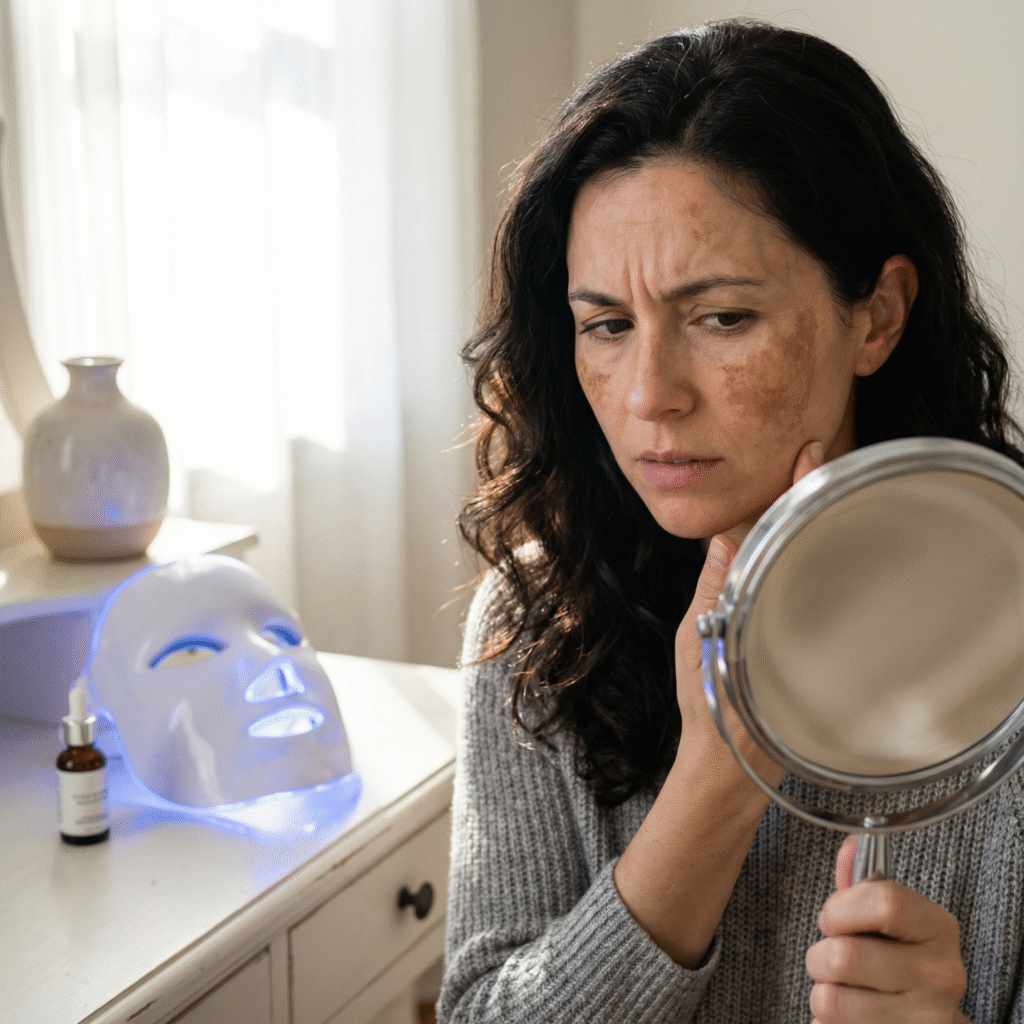
If you’re dealing with melasma, that stubborn brown patch situation on your face, you’ve probably heard conflicting advice about LED face masks. Some people swear by them, others warn they’ll make things worse. So does LED light therapy make melasma worse? The short answer: it depends entirely on the wavelength. Certain LED colors can worsen melasma significantly, while others may actually help improve it when used correctly.
Here’s what matters: visible light, especially blue and some green wavelengths, can trigger melanin production and darken melasma patches. That’s backed by clinical research showing that heat and certain light spectrums stimulate the pigment-producing cells in your skin. However, specific red and near-infrared wavelengths used properly may reduce inflammation and potentially benefit melasma without the pigmentation trigger. The key is knowing exactly which wavelengths you’re using and how to protect your skin.
In this article, you’ll learn the complete science behind whether does LED light therapy make melasma worse, which specific wavelengths to avoid, which ones might help, and the exact safety protocols dermatologists recommend for using LED masks when you have melasma. We’ll cut through the confusion with research-backed facts.
Understanding Melasma and Light Sensitivity
Melasma isn’t your average dark spot. It’s a chronic pigmentation disorder that shows up as brown or gray-brown patches, typically on your cheeks, forehead, nose, and upper lip. What makes melasma particularly frustrating is its triggers: hormones, sun exposure, heat, and yes, certain types of light.
Your skin contains melanocytes, the cells that produce melanin (your skin’s pigment). When you have melasma, these cells are hyperactive and incredibly sensitive. They respond to triggers by producing excess melanin, which creates those visible patches. According to research published in the Journal of the American Academy of Dermatology, melasma affects millions of people, predominantly women, and can be notoriously resistant to treatment.
Here’s where it gets tricky with LED therapy. Studies from NCBI research show that visible light, particularly in the 400-500nm range (blue light), can penetrate skin and stimulate melanocytes. This means certain LED wavelengths could potentially trigger the exact cells you’re trying to calm down.
But not all light acts the same way. The electromagnetic spectrum includes various wavelengths, and each interacts with your skin differently. Understanding this distinction is critical when you’re asking does LED light therapy make melasma worse.
Which LED Wavelengths Can Worsen Melasma
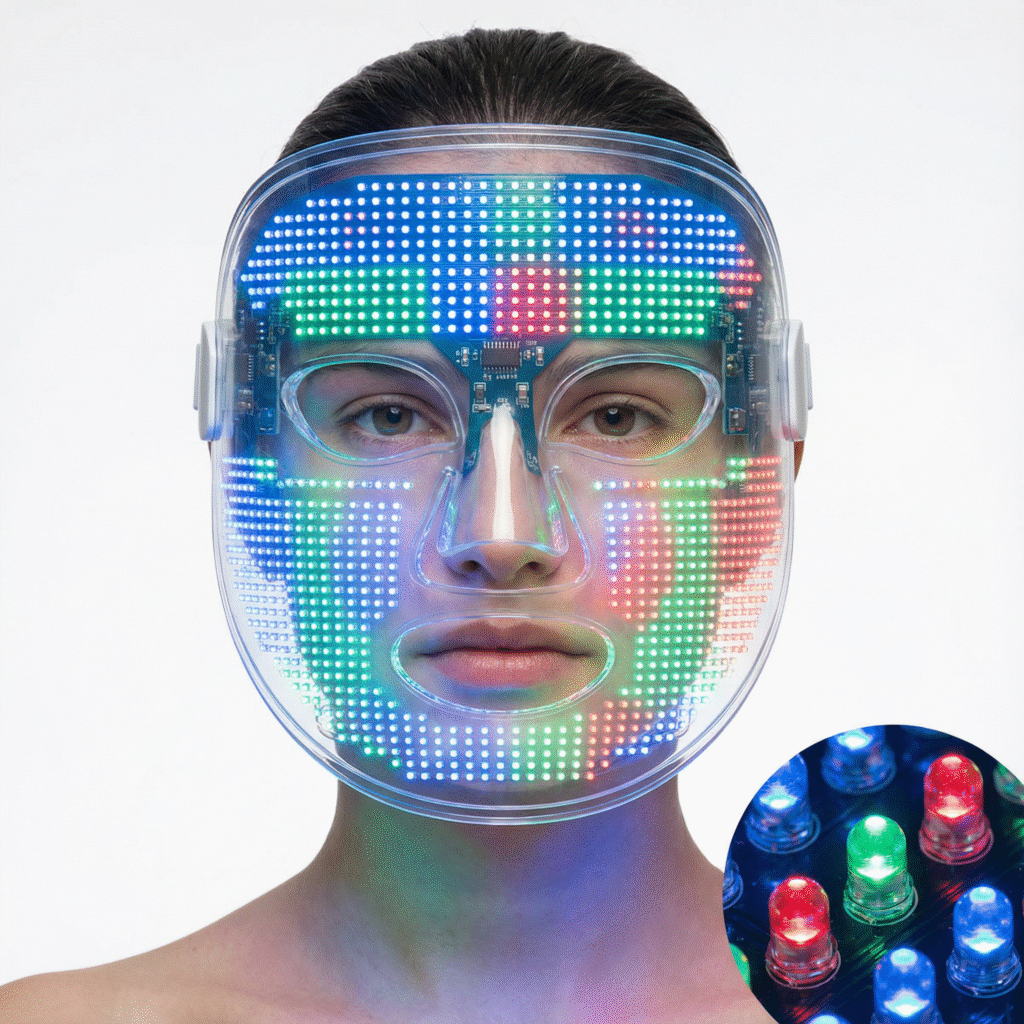
Let’s talk specifics about LED mask melasma risk. Not every colored light will trigger your melasma, but some are definite troublemakers.
Blue Light (415-495nm)
Blue light is probably the biggest concern. Research shows it penetrates the epidermis effectively and can stimulate melanin production. A study in The Journal of Investigative Dermatology found that blue light exposure increased pigmentation in skin of color, particularly in people predisposed to hyperpigmentation issues like melasma.
Many LED masks include blue light for acne treatment, which works great for breakouts but can be problematic if you’re dealing with melasma. The irony? You might clear your acne while darkening your melasma patches.
Green Light (495-570nm)
Green light sits in a gray area. Some wavelengths in this range have been studied for hyperpigmentation treatment, but others may stimulate melanocytes. The issue is that most consumer LED masks don’t specify exact nanometer ranges, they just say “green light.” Without precise wavelength information, you’re taking a risk.
White Light (Full Spectrum)
White light combines all visible wavelengths, which means it includes the problematic blue and potentially stimulating green wavelengths. Some LED masks offer a “white light” setting for overall skin health, but this isn’t ideal if you’re concerned about whether does LED light therapy make melasma worse.
Visible Light and Heat Combined
Here’s something many people don’t realize: it’s not just the wavelength but also the heat generated. According to Harvard Medical School research, heat itself can trigger melasma. Some LED masks generate warmth during treatment, which adds another risk factor for LED mask hyperpigmentation concerns.


Wavelengths That May Be Safer for Melasma
Now for some better news. Not all LED therapy poses the same risk, and certain wavelengths might actually be beneficial when you’re evaluating does LED light therapy make melasma worse.
Red Light (630-700nm)
Red light therapy operates at longer wavelengths that penetrate deeper into the dermis without significantly affecting surface melanocytes. Research published in Photomedicine and Laser Surgery journal suggests that red light at specific parameters can reduce inflammation and promote healing without triggering melanin production.
The relationship between melasma and red light therapy appears more favorable than with shorter wavelengths. Red light works primarily on collagen production and cellular energy (ATP), not on pigment cells. That said, you still need to be cautious about heat generation and proper usage protocols.
Near-Infrared Light (700-1000nm)
Near-infrared (NIR) light penetrates even deeper than red light, reaching into subcutaneous tissue. This wavelength range doesn’t interact much with melanocytes at the skin’s surface, which is why many dermatologists consider it safer for melasma-prone skin.
Several studies have explored NIR for skin rejuvenation without noting increased pigmentation as a side effect. However, remember that NIR generates heat, and heat itself can trigger melasma in susceptible individuals.
The Importance of Specific Parameters
When considering whether does LED light therapy make melasma worse, wavelength isn’t the only factor. These parameters matter too:
- Intensity (irradiance): Higher intensity doesn’t always mean better results and might increase heat
- Treatment duration: Longer isn’t necessarily safer or more effective
- Frequency: Daily treatments versus every other day can impact results
- Distance from skin: How close the LED device sits affects both wavelength penetration and heat
Most consumer LED masks don’t provide detailed specifications on these parameters, which makes it harder to determine LED mask melasma risk accurately.
What Clinical Studies Actually Show

Let’s look at what research tells us about whether does LED light therapy make melasma worse. The scientific literature offers some clarity, though more studies are needed specifically on LED masks and melasma.
A 2017 study in The British Journal of Dermatology examined visible light’s effects on pigmentation. Researchers found that repeated exposure to visible light increased pigmentation in darker skin types, particularly in the blue-green spectrum. The pigmentation lasted longer than UV-induced pigmentation, which is concerning for melasma sufferers.
Conversely, research on red and near-infrared light therapy hasn’t shown the same pigmentation concerns. A review in Lasers in Surgery and Medicine noted that red LED therapy at 630nm showed anti-inflammatory benefits without increased melanin production in controlled studies.
However, here’s the catch: most LED research hasn’t specifically targeted melasma patients. The studies often exclude people with active pigmentation disorders or don’t track melasma as a specific outcome. This gap in research makes definitive answers about LED mask hyperpigmentation challenging.
Dermatologists generally agree on this: if you have melasma, you need to be extremely selective about LED therapy. The American Academy of Dermatology recommends consulting with a dermatologist before starting any light-based treatment when you have pigmentation concerns.
How to Use LED Therapy Safely with Melasma

If you’re determined to try LED therapy despite melasma, here’s how to minimize LED mask melasma risk and avoid making things worse.
Choose the Right Wavelength
Stick with red light (630-700nm) or near-infrared (700nm+) only. Completely avoid blue, green, and white light settings. When shopping for an LED mask, look for devices that clearly specify their wavelength ranges. If a manufacturer can’t tell you the exact nanometers, that’s a red flag.
Start Slow and Monitor Closely
Don’t jump into daily 20-minute sessions. Start with:
- 5-10 minutes per session
- Every other day initially
- Only on areas without active melasma if possible
- Keep a photo log to track any changes
Take photos in the same lighting before you start and weekly afterward. If you notice any darkening, stop immediately. Melasma can worsen quickly, and catching changes early matters.
Always Use Mineral Sunscreen
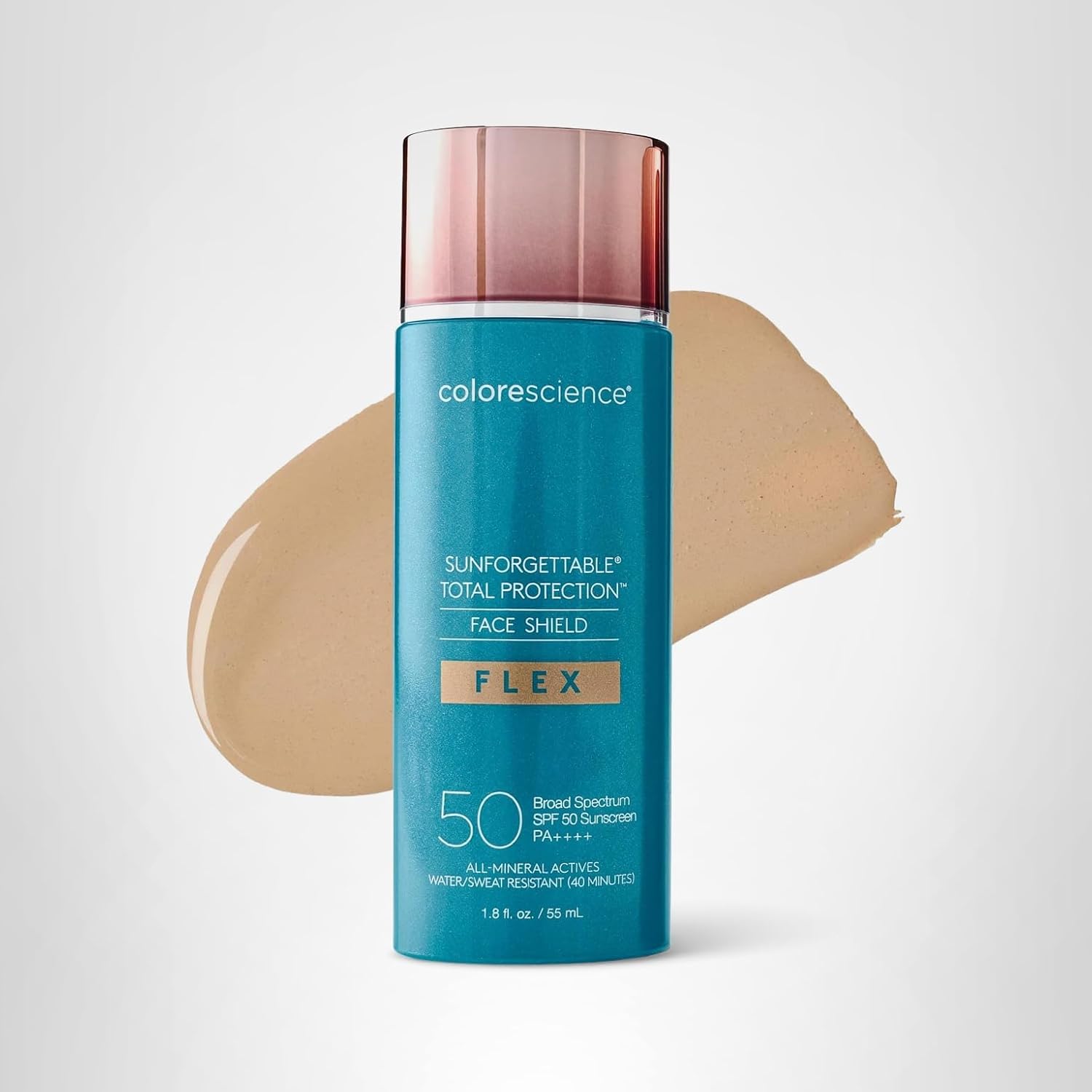
This isn’t optional. Even if you’re only using red or near-infrared light, your melasma-prone skin needs protection. Apply a broad-spectrum mineral sunscreen (zinc oxide or titanium dioxide based) with SPF 30+ every single day, even indoors.
The combination of LED therapy and inadequate sun protection is asking for trouble when you’re wondering does LED light therapy make melasma worse. UV exposure remains the number one trigger for melasma, and you can’t risk compromising your skin barrier with LED therapy and then exposing it to sun.
Consider Professional Treatment Instead
Here’s honest advice: if your melasma is moderate to severe, consumer LED masks might not be worth the risk. Dermatologists have access to specific laser and light therapies designed for pigmentation that consumer devices can’t replicate.
Professional treatments can target melasma with precise wavelengths, cooling systems to prevent heat buildup, and medical monitoring. The cost might be higher upfront, but you’re less likely to waste money on products that worsen your condition.


Alternative Approaches for Melasma-Prone Skin
If you’re concerned about whether does LED light therapy make melasma worse but still want effective skincare, consider these alternatives.
Topical Treatments That Actually Work
Several prescription and over-the-counter treatments target melasma more safely than LED therapy:
Hydroquinone: The gold standard for melasma treatment, available in 2% OTC or 4-12% prescription strength. It works by inhibiting the enzyme that produces melanin.
Tretinoin: This vitamin A derivative increases cell turnover and helps fade pigmentation. It’s often combined with hydroquinone for better results.
Azelaic Acid: A gentler option that works on pigmentation while also being anti-inflammatory. It’s particularly good for sensitive skin.
Tranexamic Acid: Both topical and oral forms have shown promise in melasma treatment, with growing research support.
These treatments address melasma at its source without the wavelength concerns that make people ask does LED light therapy make melasma worse.
Chemical Peels and Professional Treatments
Dermatologists can perform:
- Chemical peels: Glycolic, lactic, or mandelic acid peels remove pigmented surface layers
- Microneedling: Creates controlled injury to promote healing and pigmentation reduction
- Laser treatments: Specific lasers like Q-switched Nd:YAG can target melasma when performed by experienced practitioners
These treatments carry their own risks for melasma (post-inflammatory hyperpigmentation is possible), but they’re performed under medical supervision with proper protocols.
Skincare Routine Adjustments
Sometimes the best approach is prevention and gentle care:
- Strict sun protection: Mineral sunscreens, hats, seeking shade
- Antioxidant serums: Vitamin C, niacinamide, and resveratrol can help brighten
- Gentle cleansing: Avoid harsh scrubs that inflame skin
- Barrier repair: Ceramides and fatty acids keep skin healthy
- Anti-inflammatory ingredients: Green tea, licorice root, and alpha-arbutin
Our comprehensive guide on building a skincare routine with LED therapy can help you integrate safe practices.
Real User Experiences and Case Studies
Let’s talk about what actual people have experienced when dealing with the question: does LED light therapy make melasma worse?
Case 1: Blue Light Disaster Sarah, a 34-year-old with hormonal melasma, bought an LED mask primarily for acne. She used the blue light setting daily for three weeks. Her melasma patches darkened noticeably, particularly on her cheekbones. It took six months of strict sun protection and prescription tretinoin to fade the darkening back to baseline. Her experience highlights the LED mask melasma risk with shorter wavelengths.
Case 2: Red Light Success (Sort Of) Michelle used a red light-only panel (660nm) for wrinkles while managing mild melasma. She reported no worsening of her melasma over three months of consistent use. However, she also maintained strict sun protection and used prescription treatments, so isolating LED therapy’s specific effect is difficult. Her case suggests that melasma and red light therapy might be compatible under the right conditions.
Case 3: Heat-Triggered Flare Jessica tried a near-infrared mask that generated noticeable warmth. Even though the wavelength was theoretically safe, the heat triggered a melasma flare within two weeks. This demonstrates that wavelength isn’t the only consideration for LED mask hyperpigmentation concerns.
These anecdotal experiences align with what dermatologists report: individual responses vary dramatically, and melasma is unpredictable enough that even “safe” approaches can backfire.
Expert Recommendations from Dermatologists
What do skin experts actually say when patients ask does LED light therapy make melasma worse?
Dr. Zoe Draelos, a consulting professor of dermatology at Duke University School of Medicine, notes in various interviews that visible light exposure can definitely worsen melasma. She recommends extreme caution with any LED device that emits blue, green, or white light if you have pigmentation concerns.
Board-certified dermatologists generally advise:
- Avoid blue and green wavelengths entirely when you have active melasma
- Consider red/NIR only under supervision and with careful monitoring
- Prioritize proven treatments first like hydroquinone, tretinoin, and strict sun protection
- Don’t rely on consumer devices for melasma treatment, they’re not designed for this purpose
- Watch for heat generation which can trigger melasma regardless of wavelength
Many dermatologists would rather patients skip LED therapy altogether if melasma is a concern. The risk-benefit ratio doesn’t favor consumer LED masks when you’re dealing with a condition as stubborn and unpredictable as melasma.
If you’re using LED therapy for other concerns like acne or wrinkles, consult your dermatologist about whether the potential LED mask melasma risk outweighs the benefits for your specific situation.
Creating Your Melasma-Safe LED Protocol
If after reading everything you still want to try LED therapy, here’s a conservative protocol that minimizes the risk when asking does LED light therapy make melasma worse.
Pre-Treatment Assessment
Before starting:
- Photograph your melasma in consistent lighting from multiple angles
- Document current treatments you’re using for melasma
- Identify your trigger factors (heat, hormones, stress)
- Consult your dermatologist to discuss your specific case
- Choose a red/NIR-only device with verified wavelength specifications
Treatment Protocol
| Parameter | Recommendation | Reason |
|---|---|---|
| Wavelength | 630-700nm (red) or 700nm+ (NIR) only | Avoids melanocyte stimulation |
| Duration | 5-10 minutes initially | Minimizes heat buildup |
| Frequency | Every other day | Allows skin recovery |
| Distance | Follow manufacturer specs | Maintains proper intensity |
| Area | Avoid active melasma patches initially | Test tolerance on unaffected skin |
| Time of day | Evening before bed | Prevents subsequent UV exposure |
Post-Treatment Care
After each session:
- Apply soothing, anti-inflammatory serum
- Use a rich moisturizer to prevent dryness
- Avoid other active treatments the same day
- Apply mineral sunscreen the next morning
- Monitor for any darkening or inflammation
When to Stop Immediately
Discontinue LED therapy if you notice:
- Any darkening of existing melasma patches
- New pigmented spots appearing
- Increased sensitivity or inflammation
- Redness that doesn’t resolve within hours
- Heat sensitivity in treated areas
The moment you see changes suggesting LED mask hyperpigmentation, stopping is crucial. Melasma can worsen quickly, and early intervention prevents more stubborn darkening.
Comparing LED Therapy to Other Melasma Treatments
How does LED therapy stack up against established melasma treatments? This comparison helps answer whether does LED light therapy make melasma worse relative to other options.
| Treatment | Effectiveness for Melasma | Risk of Worsening | Cost | Evidence Level |
|---|---|---|---|---|
| Hydroquinone (Rx) | High | Low with proper use | $ | Strong clinical evidence |
| Tretinoin | Moderate-High | Low (initial irritation) | $ | Strong clinical evidence |
| Triple combination cream | High | Low | $$ | Strong clinical evidence |
| Chemical peels | Moderate-High | Moderate (PIH risk) | $$ | Good clinical evidence |
| Laser (Q-switched) | Moderate | High if not done properly | $$$ | Mixed evidence |
| Blue/Green LED | Not effective | High | −- −$ | Negative evidence |
| Red/NIR LED | Unknown | Low-Moderate | −- −$ | Insufficient evidence |
| Oral tranexamic acid | Moderate-High | Low | $$ | Growing evidence |
This table makes it clear: LED therapy isn’t a first-line melasma treatment. The treatments with the strongest evidence and lowest risk don’t include LED masks. When people ask does LED light therapy make melasma worse, the bigger question might be: why take the risk when better options exist?
FAQ: Does LED Light Therapy Make Melasma Worse?
Does LED light therapy make melasma worse in all cases?
Not necessarily in all cases, but it depends heavily on the wavelength used. Blue and green LED light can definitely worsen melasma by stimulating melanin production. Red and near-infrared wavelengths appear safer but aren’t proven effective for treating melasma. Individual responses vary, so monitoring your skin closely is essential if you decide to try LED therapy with melasma.
What wavelength LED is safest for melasma-prone skin?
Red light (630-700nm) and near-infrared light (700nm+) are considered safer options because they don’t directly stimulate melanocytes like shorter wavelengths do. However, “safer” doesn’t mean “safe” or “recommended.” Even these wavelengths can generate heat that triggers melasma in some people. Always avoid blue (415-495nm), green (495-570nm), and white light completely if you have melasma.
Can red light therapy help treat melasma or only avoid worsening it?
Currently, there’s no strong clinical evidence that red light therapy effectively treats melasma. The relationship between melasma and red light therapy is more about not making it worse rather than improving it. Red light may offer anti-inflammatory benefits that indirectly help, but it shouldn’t replace proven melasma treatments like hydroquinone, tretinoin, or professional procedures. Think of it as potentially neutral rather than beneficial.
How quickly can LED therapy worsen melasma if I use the wrong wavelength?
LED mask hyperpigmentation can develop surprisingly quickly. Some people notice darkening within 1-2 weeks of using blue or green light. Others might not see changes for a month or more. The speed depends on your skin’s sensitivity, the intensity and duration of LED use, hormonal factors, and sun exposure. This is why weekly progress photos are crucial if you’re experimenting with LED therapy despite having melasma.
Is the LED mask melasma risk higher for certain skin types?
Yes, absolutely. People with Fitzpatrick skin types III-VI (medium to dark skin tones) face higher LED mask melasma risk because their skin has more active melanocytes that respond more readily to light and heat triggers. However, anyone with melasma regardless of skin type should be cautious, as the condition itself indicates hyperresponsive pigment cells. Asian, Hispanic, and African American individuals statistically have higher melasma rates and should be particularly careful.
Can I use an LED mask if I’m also using prescription melasma treatments?
This requires consultation with your dermatologist. Combining LED therapy with prescription treatments like tretinoin, hydroquinone, or chemical peels could increase sensitivity and inflammation. Some dermatologists might approve red light therapy as complementary to prescriptions, while others would prefer you avoid LED masks entirely. Never assume combination therapy is safe without professional guidance, as the interaction could worsen outcomes for both approaches.
What should I do if my melasma worsened after using LED therapy?
Stop LED therapy immediately and return to strict melasma management basics. This means religious sunscreen application (reapply every 2 hours when outdoors), wearing a wide-brimmed hat, avoiding heat exposure, and contacting your dermatologist for prescription treatment. Document the worsening with photos and note exactly which LED wavelength and settings you used. Your dermatologist might prescribe stronger hydroquinone, add tretinoin, or recommend professional treatments to reverse the darkening. Don’t try to “fix it” with more LED therapy or unproven remedies.
Conclusion: Making the Smart Choice for Your Skin
So, does LED light therapy make melasma worse? The science gives us a nuanced answer: it absolutely can worsen melasma if you’re using blue, green, or white light wavelengths, or if heat generation triggers your pigmentation. Red and near-infrared wavelengths appear less risky but aren’t proven beneficial for melasma itself.
Here’s the bottom line: LED masks weren’t designed to treat melasma, and using them for that purpose is risky at best. If you have melasma, your safest bet is sticking with proven treatments like prescription hydroquinone, tretinoin, strict sun protection, and professional dermatology procedures. The LED mask melasma risk simply doesn’t justify the gamble when your skin already struggles with this stubborn condition.
If you’re absolutely committed to trying LED therapy despite melasma, choose red or near-infrared wavelengths only, start extremely conservatively, monitor obsessively, and work with a dermatologist. But honestly? There are better ways to spend your skincare budget and time.
For more evidence-based skincare guidance and LED therapy information, check our homepage GlowMaskHub where we break down the latest research and help you make informed decisions about your skin.
Your melasma doesn’t define you, but the choices you make about treating it matter. Choose wisely.