Before you strap on that trendy LED face mask and start your journey to glowing skin, there’s something you absolutely need to know: LED mask contraindications could mean the difference between radiant results and serious skin reactions. While LED light therapy has become one of the most popular at-home beauty treatments, it’s not safe for everyone, and understanding LED mask contraindications is essential before you invest in this technology.
Here’s the short answer you’re looking for: LED mask contraindications include pregnancy, active cancer treatment, photosensitivity disorders, certain medications (like Accutane and some antibiotics), epilepsy, thyroid conditions, recent cosmetic procedures, and active skin infections. If any of these apply to you, consult a healthcare provider before using LED light therapy.
Most people assume that because LED masks don’t use UV light, they’re completely harmless. That’s not entirely true. While LED therapy is generally safe and FDA-cleared for many users, there are specific situations when not to use LED face mask treatments. I’ve spent years testing these devices and researching their safety profiles, and I can’t stress enough how important it is to understand these LED mask safety warnings before your first session.
In this guide, you’ll discover the complete list of LED mask contraindications, learn which medications cause photosensitivity that could react with light therapy, understand the real LED light therapy risks, and get clear answers about who should avoid these treatments entirely. Whether you’re dealing with a medical condition, taking prescription drugs, or simply want to use your LED mask safely, this information could protect your skin and your health.
Understanding LED Mask Contraindications and Why They Matter

LED mask contraindications aren’t just legal disclaimers that manufacturers slap on their packaging to avoid lawsuits. These warnings exist because certain medical conditions, medications, and circumstances can genuinely interfere with how your body responds to concentrated light therapy.
When we talk about LED mask contraindications, we’re referring to specific situations where the photons from LED lights could trigger unexpected reactions in your body. Unlike casual sun exposure, LED masks deliver targeted wavelengths at specific intensities directly to your skin, sometimes for 10-20 minutes at a time. This concentrated exposure means that conditions which might not react to everyday light could respond differently to therapeutic LED wavelengths.
The science here matters. Red light at 630-660nm penetrates deep into your skin tissue, while blue light at 415nm works closer to the surface. These wavelengths interact with your cells’ mitochondria and can trigger various biological responses, which is exactly why they work for anti-aging and acne. But this same mechanism means they can also interact with medications, exacerbate certain conditions, or interfere with healing processes.
According to research published by the National Institutes of Health, photobiomodulation (the technical term for LED light therapy) affects cellular function at multiple levels, which is why understanding LED mask contraindications becomes crucial for anyone with underlying health conditions.
Medical Conditions That Are Absolute LED Mask Contraindications

Active Cancer or Recent Cancer Treatment
If you’re currently undergoing cancer treatment or have recently completed chemotherapy or radiation, LED mask contraindications apply strongly to you. Here’s why: LED light therapy stimulates cellular activity and increases ATP production in cells, which is great for healthy skin cells but potentially problematic for cancer cells.
Most oncologists recommend avoiding any form of light therapy during active treatment. The American Cancer Society suggests patients discuss all complementary therapies with their care team, and LED masks fall into this category. Even after completing treatment, you should wait at least six months and get clearance from your doctor before considering LED therapy.
This doesn’t mean LED masks cause cancer, there’s no evidence of that. But the precautionary principle applies here because we don’t have enough long-term studies on how therapeutic light wavelengths might affect cancer cells or healing tissue after treatment.
Epilepsy and Light-Sensitive Seizure Disorders
Epilepsy represents one of the most critical LED mask contraindications, particularly photosensitive epilepsy. While LED masks don’t typically flash or strobe like the triggers in video games or nightclubs, the bright, concentrated light can still pose risks for some individuals with seizure disorders.
Photosensitive epilepsy affects about 3% of people with epilepsy, according to the Epilepsy Foundation, and these individuals can experience seizures triggered by specific light patterns, frequencies, or intensities. Even steady LED light at high intensity could potentially trigger a response in susceptible individuals.
If you have any form of epilepsy, when not to use LED face mask treatments is clear: don’t use them without explicit approval from your neurologist. Some people with well-controlled epilepsy may get clearance for LED therapy, but this requires individual medical assessment.
Active Thyroid Disorders and Hyperthyroidism
Here’s one of the lesser-known LED mask contraindications that surprises many users: active thyroid conditions, particularly hyperthyroidism. The thyroid gland sits right in your neck area, and some LED masks (especially full-face or neck devices) deliver light therapy directly over this region.
While research is still emerging, there’s concern that concentrated light therapy over the thyroid could stimulate this already overactive gland in people with hyperthyroidism. The American Thyroid Association recommends caution with any therapy that could affect thyroid function.
If you have diagnosed hypothyroidism that’s being treated and controlled, you may be able to use LED masks with your doctor’s approval. But active, uncontrolled thyroid conditions definitely fall under LED mask contraindications.
Lupus and Other Photosensitive Autoimmune Conditions
Systemic lupus erythematosus (SLE) and several other autoimmune conditions cause photosensitivity, making them significant LED mask contraindications. About 40-70% of people with lupus experience photosensitivity, meaning their skin and immune system react negatively to light exposure.
This isn’t just about UV light. Many lupus patients report reactions to visible light wavelengths too, which is exactly what LED masks emit. A study in the Journal of Investigative Dermatology found that various light wavelengths can trigger inflammatory responses in photosensitive individuals.
Other autoimmune conditions with photosensitivity components include dermatomyositis, rosacea (in severe cases), and certain forms of pemphigus. If you have any autoimmune condition, check with your rheumatologist before using LED therapy.


LED Mask Photosensitivity Medication: Critical Drug Interactions
This section covers one of the most commonly overlooked LED mask contraindications: medications that cause photosensitivity. You might be taking a completely routine medication that makes your skin hypersensitive to light therapy.
Retinoids and Acne Medications
Isotretinoin (Accutane), tretinoin (Retin-A), and other prescription retinoids are absolute LED mask contraindications while you’re actively using them. These medications make your skin extremely sensitive and thin, increasing your vulnerability to all forms of light exposure.
If you’re on Accutane, when not to use LED face mask treatments is straightforward: don’t use them during treatment and for at least six months after completing your course. Even topical retinoids require caution. Most dermatologists recommend stopping topical retinoid use 3-5 days before LED therapy sessions and resuming a few days after.
According to the American Academy of Dermatology, combining photosensitizing medications with intense light therapies can lead to burns, hyperpigmentation, and prolonged healing times.
Antibiotics That Cause Photosensitivity
Certain antibiotics create LED mask photosensitivity medication concerns, particularly tetracyclines (doxycycline, minocycline) and fluoroquinolones (ciprofloxacin, levofloxacin). These drugs accumulate in your skin and can react when exposed to concentrated light.
Here’s a quick reference table for common photosensitizing antibiotics:
| Antibiotic Class | Common Names | Wait Period After Last Dose |
|---|---|---|
| Tetracyclines | Doxycycline, Minocycline, Tetracycline | 7-10 days |
| Fluoroquinolones | Ciprofloxacin, Levofloxacin | 5-7 days |
| Sulfonamides | Bactrim, Septra | 5-7 days |
| Quinolones | Nalidixic acid | 7 days |
If you’re prescribed any antibiotic, ask your doctor specifically about LED mask contraindications before starting light therapy. Don’t assume all antibiotics are safe just because some are.
Psychiatric Medications and Photosensitivity
Several psychiatric medications fall under LED mask photosensitivity medication warnings, including certain antidepressants, antipsychotics, and mood stabilizers. Tricyclic antidepressants like amitriptyline and some SSRIs can increase photosensitivity.
Antipsychotic medications, particularly phenothiazines (chlorpromazine, thioridazine), are well-documented photosensitizers. If you’re taking these medications, LED light therapy risks include potential skin reactions ranging from mild redness to more severe photosensitivity responses.
The interaction isn’t universal, some people on these medications use LED masks without issues. But the potential for reaction makes these medications legitimate LED mask contraindications that warrant medical consultation.
Diuretics and Blood Pressure Medications
This surprises many people: common diuretics and certain blood pressure medications are LED mask photosensitivity medication concerns. Hydrochlorothiazide (HCTZ), a widely prescribed diuretic, significantly increases photosensitivity.
Other cardiovascular medications with photosensitizing properties include:
- Furosemide (Lasix)
- Amiodarone
- Quinidine
- Diltiazem
If you take any medication for blood pressure or fluid retention, review the LED mask contraindications with your prescribing physician. They can tell you whether your specific medication poses risks with light therapy.
Pregnancy, Nursing, and LED Mask Contraindications
Pregnancy consistently appears on LED mask contraindications lists, but the reasoning might not be what you think. There’s actually no evidence that LED light therapy harms developing babies. The concern is different: we simply don’t have enough research on pregnant women to declare it definitively safe.
Most LED mask manufacturers include pregnancy as a contraindication out of legal caution. The FDA hasn’t approved LED light therapy specifically for use during pregnancy because conducting such studies on pregnant women raises ethical concerns. Without that research, companies protect themselves by listing pregnancy as a contraindication.
That said, many dermatologists consider LED therapy relatively low-risk during pregnancy compared to other beauty treatments. Unlike chemical peels, retinoids, or certain laser treatments, LED lights don’t penetrate beyond the skin layers and don’t involve chemicals that could enter the bloodstream.
However, when not to use LED face mask treatments during pregnancy includes:
- First trimester (when baby’s organs are forming)
- If you’ve experienced pregnancy complications
- If your skin has become unusually sensitive during pregnancy
- Without discussing it with your obstetrician first
For breastfeeding mothers, LED mask contraindications are even less clear-cut. There’s no mechanism by which LED light therapy could affect breast milk. However, hormonal changes during nursing can make skin more sensitive, so patch testing and starting with shorter sessions is wise.
Research from institutions like Harvard Medical School suggests that visible light wavelengths don’t carry the same pregnancy risks as UV light or certain chemical treatments, but they still recommend medical consultation before starting any new therapy during pregnancy.
For a deeper dive, don’t miss our fully detailed article: Are LED Light Therapy Masks Safe During Pregnancy?
Recent Cosmetic Procedures and LED Light Therapy Risks
Timing matters enormously when it comes to LED mask contraindications and recent cosmetic procedures. Your skin needs adequate healing time before you expose it to concentrated light therapy.
Post-Injection Treatments (Botox, Fillers)
If you’ve had Botox or dermal fillers, when not to use LED face mask treatments is within 24-48 hours after injection. While LED light won’t necessarily interfere with how Botox or fillers work, the heat and increased blood flow from LED therapy could potentially cause migration or affect settling.
Most injectors recommend waiting:
- Botox: 24 hours minimum, 48 hours ideal
- Hyaluronic acid fillers: 48-72 hours
- Poly-L-lactic acid fillers (Sculptra): 1 week
After this waiting period, LED therapy might actually benefit your results by promoting collagen production and reducing post-injection inflammation.
After Laser Treatments and Intense Pulsed Light (IPL)
LED mask contraindications strongly apply after ablative laser treatments, IPL sessions, or any procedure that removes or damages the skin’s surface layer. Your skin is essentially wounded after these treatments, and LED mask safety warnings exist to prevent complications during healing.
Wait times after professional treatments:
- Ablative lasers (CO2, Erbium): 4-6 weeks
- Non-ablative lasers: 2-3 weeks
- IPL: 2 weeks
- Microneedling: 1-2 weeks (some practitioners allow LED immediately after as part of treatment)
Check with your treating provider, as they may actually recommend LED therapy as part of your post-procedure protocol, but only under professional guidance with specific timing.
Following Chemical Peels and Microdermabrasion
Chemical peels create LED mask contraindications that vary based on peel depth. Superficial peels might only require 3-5 days before LED use, while medium-depth peels need 2-3 weeks, and deep peels could require a full month or more.
The issue isn’t that LED light will harm healing skin, it’s that compromised skin barriers can’t regulate heat effectively, increasing LED light therapy risks like burns or hyperpigmentation. According to guidance from the American Society for Dermatologic Surgery, timing matters critically for combining treatments safely.
Active Skin Conditions and LED Mask Safety Warnings
Rosacea and Extreme Skin Sensitivity
Rosacea creates a complex relationship with LED mask contraindications. Some wavelengths of LED light (particularly yellow and red) can actually help rosacea by reducing inflammation. However, severe rosacea with active flushing and heat sensitivity represents a genuine contraindication.
The heat generated during LED sessions, even though minimal, can trigger rosacea flares in sensitive individuals. If you have rosacea, start with the lowest intensity settings and shortest treatment times, keeping sessions under 5 minutes initially.
Conditions that make skin extremely sensitive, like eczema during flare-ups or severe contact dermatitis, also fall under LED mask safety warnings. Wait until your skin has calmed and healed before introducing light therapy.
Active Infections, Cold Sores, and Open Wounds
Any active skin infection is an absolute LED mask contraindication. This includes bacterial infections (cellulitis, impetigo), fungal infections, and viral infections like active cold sores (herpes simplex).
When not to use LED face mask treatments is clear when you have:
- Active cold sore outbreak
- Bacterial acne with pustules (use blue light carefully)
- Any open cuts, wounds, or broken skin
- Recent sunburn (wait until peeling stops)
The concern here is twofold. First, LED therapy increases cellular activity and blood flow, which could theoretically help infections spread. Second, placing a mask against infected skin can spread the infection to other facial areas.
Wait until infections have completely cleared before resuming LED therapy. For recurrent cold sores, some users find that red light therapy at the very first tingle can prevent full outbreak, but once blisters form, stop treatment.
Eye Safety and LED Mask Contraindications
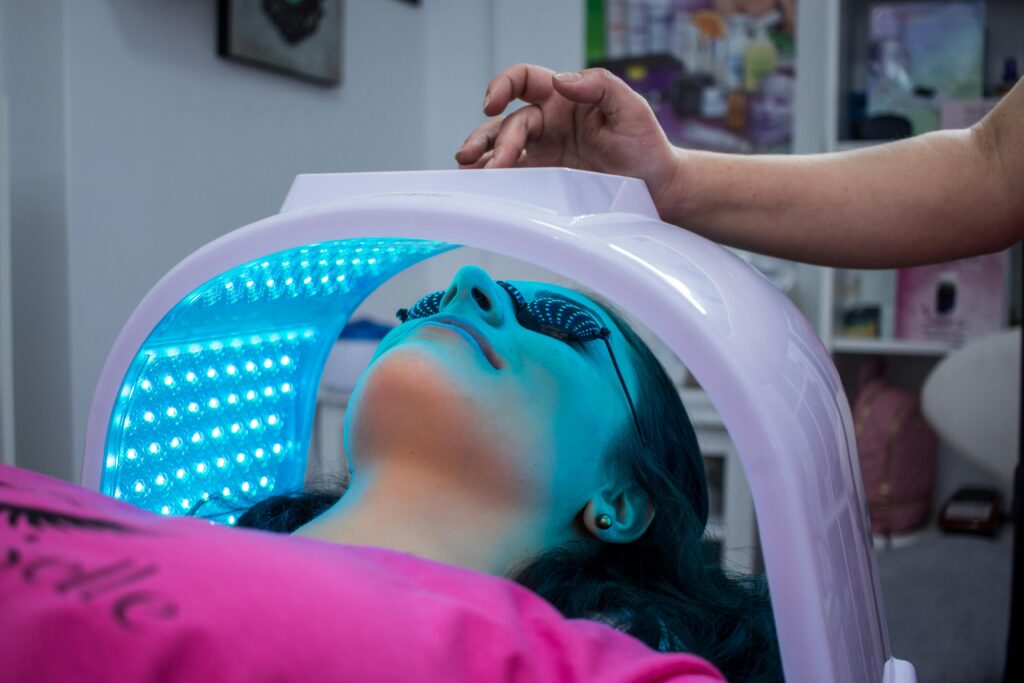
Eye-related LED mask contraindications deserve special attention because your eyes are particularly vulnerable to concentrated light exposure. Most quality LED masks come with eye protection (either built-in dark coverings or separate goggles), and using this protection isn’t optional.
Recent eye surgery, including LASIK, PRK, or cataract surgery, creates temporary LED mask contraindications. Wait at least 4-6 weeks after LASIK before using LED masks, and always wear the provided eye protection. According to the American Academy of Ophthalmology, healing eyes are more sensitive to all forms of light.
Certain eye conditions also warrant caution:
- Macular degeneration
- Retinal disorders
- Glaucoma
- Light-sensitive migraines
If you have any serious eye condition, discuss LED light therapy risks with your ophthalmologist before use. While LED masks primarily target facial skin, scattered light can reach the eyes, especially if eye protection isn’t used properly.


Age-Related LED Mask Contraindications
Children and Teenagers
Most LED mask contraindications lists include an age restriction, typically 18 years or older. This isn’t because LED therapy harms young skin, it’s because:
- We lack sufficient research on developing skin
- Children’s skin is thinner and potentially more reactive
- Teenagers often can’t follow proper usage protocols
- Most FDA clearances specify adult use only
For teenagers dealing with acne, professional LED light therapy administered by dermatologists is often considered safe. The difference is professional supervision, controlled parameters, and medical oversight.
Home LED mask use for anyone under 18 should only happen with parental supervision and preferably after consulting a dermatologist. The LED mask safety warnings exist partly because kids might use devices incorrectly, like using them too frequently or for too long.
Elderly Users with Thin or Fragile Skin
On the other end of the age spectrum, very elderly users with extremely thin, fragile skin should approach LED therapy cautiously. While age itself isn’t a contraindication, age-related skin changes can make some individuals more vulnerable to heat sensitivity.
If you’re over 75 or have particularly thin, papery skin that bruises easily, start with the gentlest settings and shortest treatment times. You might benefit from LED therapy’s collagen-boosting effects, but LED light therapy risks increase when skin can’t dissipate heat effectively.
How to Safely Assess Your LED Mask Contraindications

Before starting any LED light therapy regimen, take these steps to identify potential LED mask contraindications that apply to you:
Create a comprehensive medication list. Write down every medication you take, including over-the-counter drugs, supplements, and topical treatments. Cross-reference this list with known photosensitizing medications. Your pharmacist can help identify LED mask photosensitivity medication concerns.
Review your medical history. Go through the LED mask contraindications list systematically and honestly assess whether any apply to you. Don’t minimize conditions or assume they won’t matter.
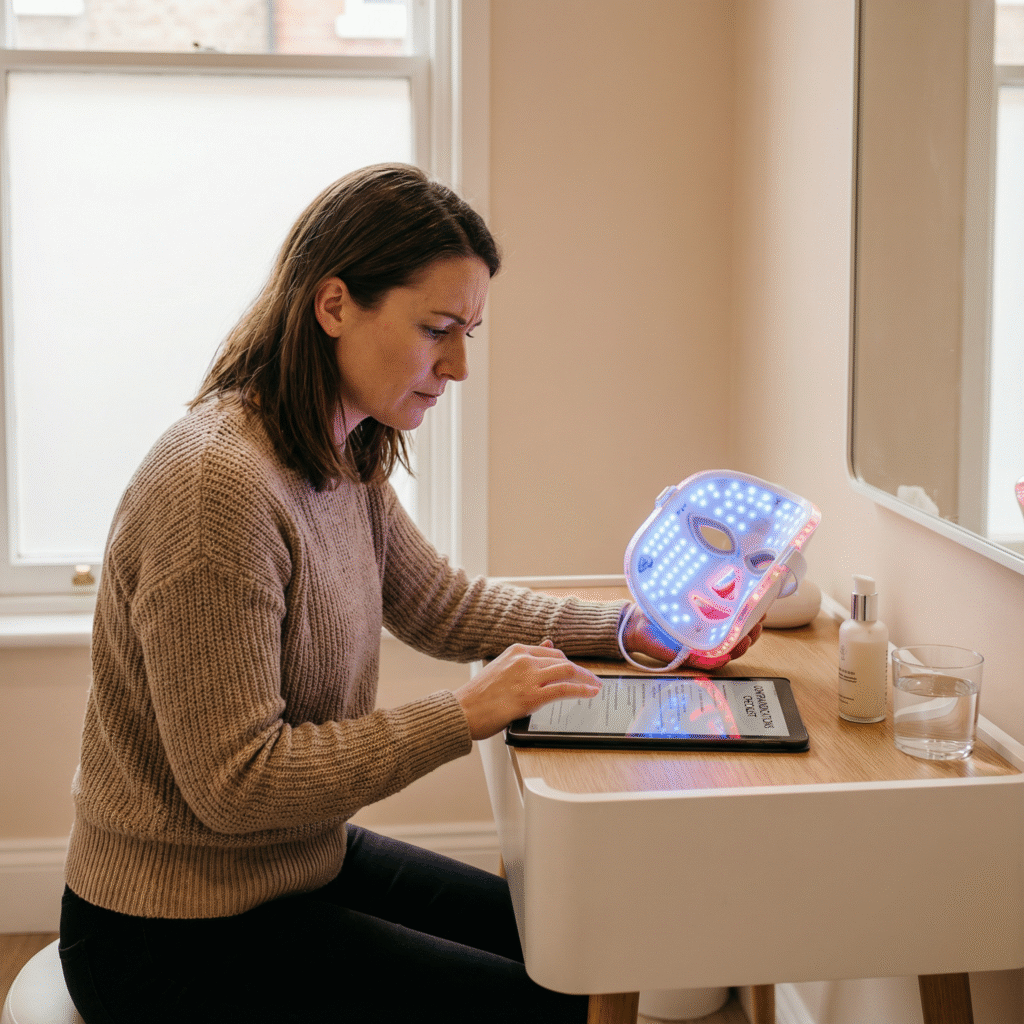
Consult relevant specialists. If you have any medical conditions mentioned in LED mask safety warnings, schedule a consultation with your doctor before purchasing a device. A five-minute conversation could prevent serious complications.
Perform a patch test. Even if you don’t have obvious contraindications, start with a small test area. Use the LED mask on just your cheek or forehead for a shortened session, then wait 24-48 hours to see how your skin responds.
Start conservatively. When you do begin LED therapy, start with the lowest intensity setting and shortest recommended time. Gradually increase as your skin demonstrates tolerance. This approach helps you identify sensitivity issues before they become problems.
The team at GlowMaskHub always recommends this cautious approach, especially for LED therapy beginners or anyone with potential risk factors.
What to Do If You Experience Adverse Reactions
Despite careful attention to LED mask contraindications, sometimes reactions occur. Here’s what to do if you experience problems during or after LED therapy:
Stop treatment immediately if you notice excessive redness that doesn’t fade within an hour, burning or stinging sensations, swelling, blistering, or any signs of an allergic reaction. When not to use LED face mask treatments includes any time your skin shows distress signals.
Cool and calm your skin with a gentle, fragrance-free moisturizer or pure aloe vera gel. Apply a cool compress if you experience heat-related discomfort. Don’t use ice directly on skin, which can cause additional damage.
Document your reaction by taking photos and noting exactly which settings you used, how long the session lasted, and what products you had on your skin. This information helps you identify what went wrong and assists your dermatologist if you need medical attention.
Seek medical care if you develop severe reactions like blistering, signs of infection (increasing pain, warmth, pus), vision changes after LED use, or systemic symptoms like fever or severe headaches. These could indicate serious LED light therapy risks that require professional treatment.
Report to the manufacturer if you believe the device malfunctioned or caused unexpected harm. FDA-cleared devices should perform within specific parameters, and manufacturers need to know about safety issues.
Special Considerations for Different LED Wavelengths
Not all LED mask contraindications apply equally to every wavelength. Understanding how different colors interact with your specific concerns helps you make informed decisions.
Red light (630-660nm) penetrates deepest and stimulates cellular activity most strongly. This makes it most relevant for LED mask contraindications related to cancer, thyroid conditions, and cellular activity concerns. Red light is generally gentlest for sensitive skin but most powerful for biological effects.
Blue light (415nm) works primarily at the surface, making it ideal for acne but potentially more irritating for surface-sensitive conditions like rosacea or eczema. If you have photosensitivity specifically to shorter wavelengths, blue light might create more LED light therapy risks for you than red.
Near-infrared light (830-850nm) penetrates even deeper than visible red light, potentially amplifying concerns about deep tissue effects. Some of the LED mask safety warnings apply more strongly to near-infrared wavelengths.
Combination therapy devices using multiple wavelengths simultaneously could compound risks for people with LED mask contraindications. If you have concerns, consider single-wavelength devices that let you control exactly what your skin receives.
You can learn more about different wavelengths and their specific effects in our detailed guide to red light therapy for wrinkles and our article on blue light therapy for acne.
Professional vs. At-Home LED: Different Contraindication Levels
LED mask contraindications can vary depending on whether you’re using professional-grade equipment in a dermatologist’s office or consumer devices at home.
Professional LED devices typically operate at higher intensities and may use different wavelength combinations than home devices. This means professional treatments carry slightly different LED light therapy risks and might have stricter contraindications. However, you also have medical supervision, which provides safety oversight.
At-home LED masks are intentionally designed with lower intensities to minimize risks, which is why many conditions that would prevent professional laser treatment might still allow home LED use with medical approval. The FDA regulates consumer LED devices as Class II medical devices, ensuring they meet specific safety standards.
When evaluating LED mask contraindications for home use, consider that you won’t have a professional monitoring your sessions or adjusting parameters based on your skin’s real-time response. This makes following the manufacturer’s guidelines and understanding when not to use LED face mask treatments even more critical.
If you have borderline contraindications (conditions that aren’t absolute prohibitions but require caution), professional LED therapy with dermatological supervision might be safer than home use. Alternatively, you could start with professional treatments to gauge your response before investing in a home device.
For those interested in home devices, check out our comprehensive reviews of popular options like the CurrentBody LED mask and our roundup of affordable LED masks under $50.
Creating Your Personal LED Safety Protocol
Once you’ve evaluated LED mask contraindications and determined that LED therapy is appropriate for you, create a personal safety protocol:
Schedule regular skin checks. Monitor your skin closely during the first month of LED use, looking for any unexpected changes, increased sensitivity, or negative reactions. If anything changes in your health status or medications, reassess LED mask contraindications before continuing.
Maintain a treatment log. Track your LED sessions including duration, intensity settings, skin condition before and after, and any products used. This helps you identify patterns if problems develop and ensures you don’t overuse the device.
Update your protocol when circumstances change. New medications, health diagnoses, cosmetic procedures, or even seasonal skin changes might require adjusting your LED routine or temporarily pausing treatment. LED mask safety warnings aren’t static, they apply to your current situation.
Build rest periods into your routine. Even without contraindications, taking occasional breaks from LED therapy gives your skin time to rest and helps prevent developing sensitivity from cumulative exposure.
Conclusion: Smart LED Therapy Means Respecting Contraindications
Understanding LED mask contraindications isn’t about fear-mongering or making LED light therapy seem dangerous. It’s about using this powerful technology safely and effectively. The vast majority of people can use LED masks without issues, but the exceptions matter enormously.
When not to use LED face mask treatments becomes clear when you honestly assess your health status, medications, and skin condition against the known contraindications. Taking LED mask photosensitivity medication seriously, respecting LED mask safety warnings, and consulting medical professionals when needed doesn’t diminish the benefits of LED therapy, it maximizes your chances of experiencing those benefits safely.
The reality is that LED light therapy risks are relatively low for most users, especially compared to more aggressive beauty treatments. But “relatively low” doesn’t mean zero, and the stakes of ignoring legitimate LED mask contraindications can range from disappointing results to genuine harm.
FAQs
What are the most common LED mask contraindications that people overlook?
The most frequently overlooked LED mask contraindications are photosensitizing medications, particularly common antibiotics like doxycycline and diuretics like hydrochlorothiazide. Many people don’t realize their everyday medications can create LED mask photosensitivity medication interactions. Active cold sores and recent cosmetic procedures are also often forgotten contraindications that can lead to complications.
Can I use an LED face mask if I’m pregnant or trying to conceive?
Pregnancy is listed among LED mask contraindications primarily due to lack of research rather than proven harm. Most manufacturers and dermatologists recommend avoiding LED therapy during pregnancy out of caution, especially during the first trimester. If you’re trying to conceive, the risks are even less clear, but consulting your obstetrician before starting LED treatments is the safest approach.
How long should I wait after stopping photosensitizing medication before using an LED mask?
The wait period varies by medication type. For tetracycline antibiotics (common LED mask photosensitivity medication), wait 7-10 days after your last dose. Retinoids like Accutane require waiting at least six months post-treatment. Most other photosensitizing drugs need 5-7 days clearance. Always verify LED mask contraindications timing with your prescribing physician for your specific medication.
Are LED mask contraindications different for red light versus blue light therapy?
Yes, some LED mask contraindications apply more strongly to specific wavelengths. Blue light tends to cause more surface irritation, making it riskier for active rosacea or very sensitive skin. Red and near-infrared light penetrate deeper, which makes them more relevant for contraindications related to thyroid conditions, cancer, or cellular activity concerns. Check wavelength-specific LED light therapy risks for your particular situation.
What should I do if I have a contraindication but my dermatologist says LED therapy is okay?
If you have a listed contraindication but your dermatologist provides clearance, their professional medical judgment typically supersedes general LED mask safety warnings. However, get this approval in writing, start with the most conservative treatment parameters, and maintain close monitoring. Some LED mask contraindications are relative rather than absolute, meaning medical supervision can make certain cases safe.
Can LED masks cause skin cancer or worsen existing skin cancers?
LED masks do not use UV light and have no evidence linking them to causing skin cancer. However, active cancer or recent cancer treatment remains among critical LED mask contraindications because LED therapy stimulates cellular activity. While it won’t cause cancer, there’s theoretical concern about stimulating any remaining cancer cells, which is why oncologists recommend avoiding LED therapy during and immediately after cancer treatment.
If I experience a reaction to my LED mask, does that mean I can never use light therapy?
Not necessarily. Reactions to LED therapy can result from specific wavelengths, intensity levels, treatment duration, or temporary factors like medication or recent procedures. If you experience problems, identify whether you had any temporary LED mask contraindications active at the time. You might be able to use LED therapy safely later with different settings, wavelengths, or after your situation changes. Always investigate what caused the reaction before concluding LED therapy isn’t for you.